
2026 Ford F-150 4×4 & Winter Driving Guide
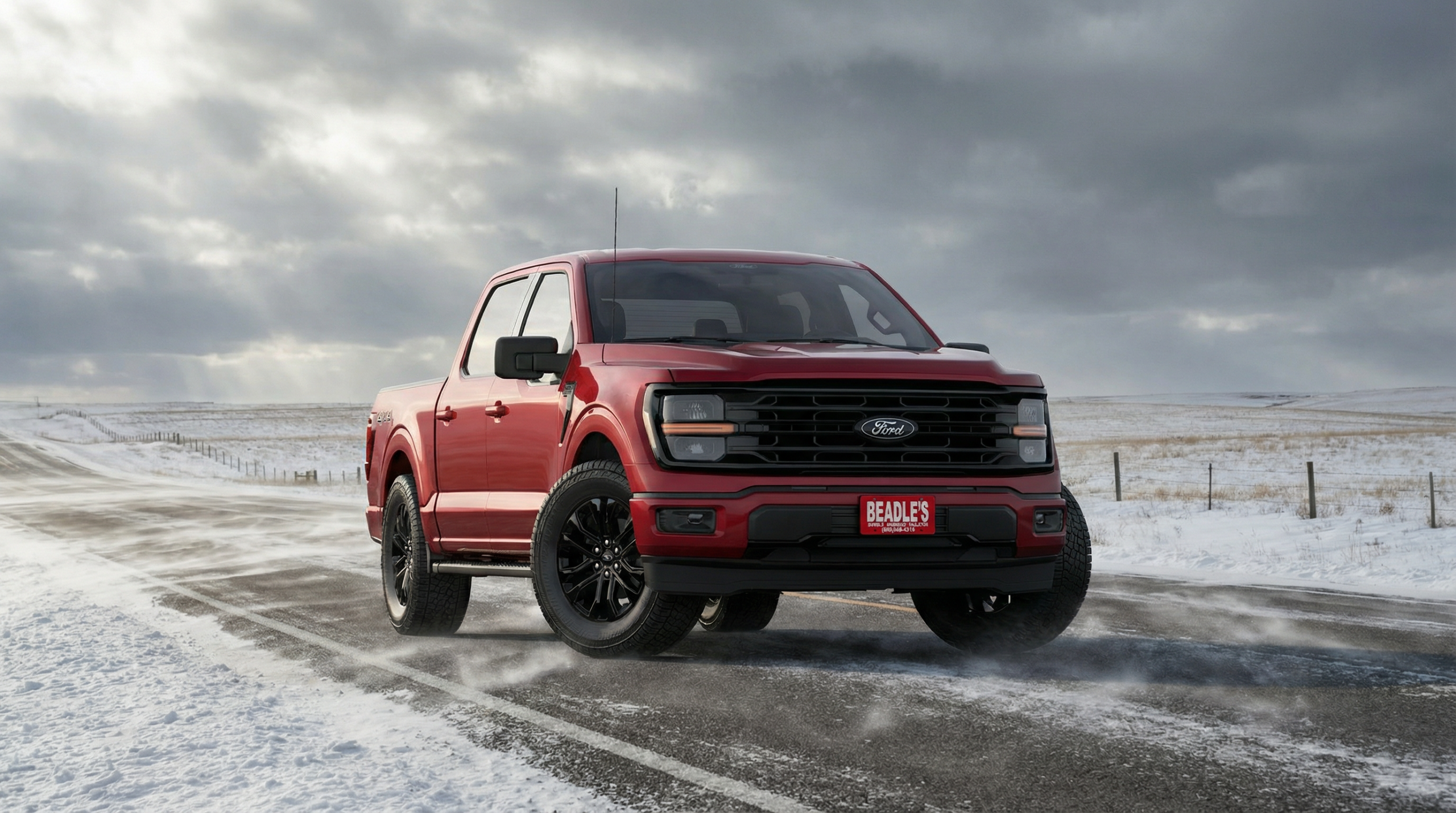
Winter driving in South Dakota places unique demands on a full-size truck, including traction control, drivetrain configuration, and cold-weather comfort features. The 2026 Ford F-150 offers multiple systems designed to handle these conditions confidently.
The 2026 Ford F-150 offers multiple drivetrain configurations, selectable drive modes, and available off-road packages designed to handle these conditions confidently. This guide explains how 4×4 systems work, which trims support winter-ready features, and what drivers should consider before ordering.
For full trim and engine availability, see the complete 2026 Ford F-150 overview.
Is 4×4 Necessary in South Dakota?
For many rural drivers, yes. While 4×2 models can perform well with proper tires, 4×4 provides improved traction when accelerating on snow-packed roads, climbing icy inclines, and navigating unplowed surfaces.
Drivers regularly traveling county highways, farm access roads, or open prairie areas during winter typically benefit from 4×4 capability.
What’s the Difference Between 4×4 and 4×2?
4×2 (two-wheel drive) sends power to the rear wheels only. 4×4 systems distribute power to all four wheels when engaged, improving traction in low-grip conditions.
For highway commuters staying on cleared roads, 4×2 may be sufficient. For mixed rural and winter use, 4×4 adds confidence and control.
What Drive Modes Are Available on the 2026 F-150?
The 2026 F-150 offers selectable drive modes that adjust throttle response, traction control behavior, and transmission logic.
- Normal
- Eco
- Sport
- Tow/Haul
- Slippery
- Deep Snow/Sand (on applicable trims)
Deep Snow/Sand mode can improve throttle mapping and traction control behavior in low-traction environments.
What Is the FX4 Off-Road Package?
The FX4 Off-Road Package adds features such as off-road tuned shocks, skid plates, and terrain management enhancements. While designed for trail use, these features can also benefit drivers navigating uneven rural terrain.
FX4 is not required for winter driving, but it may add confidence for those frequently off pavement.
What Winter Comfort Features Are Available?
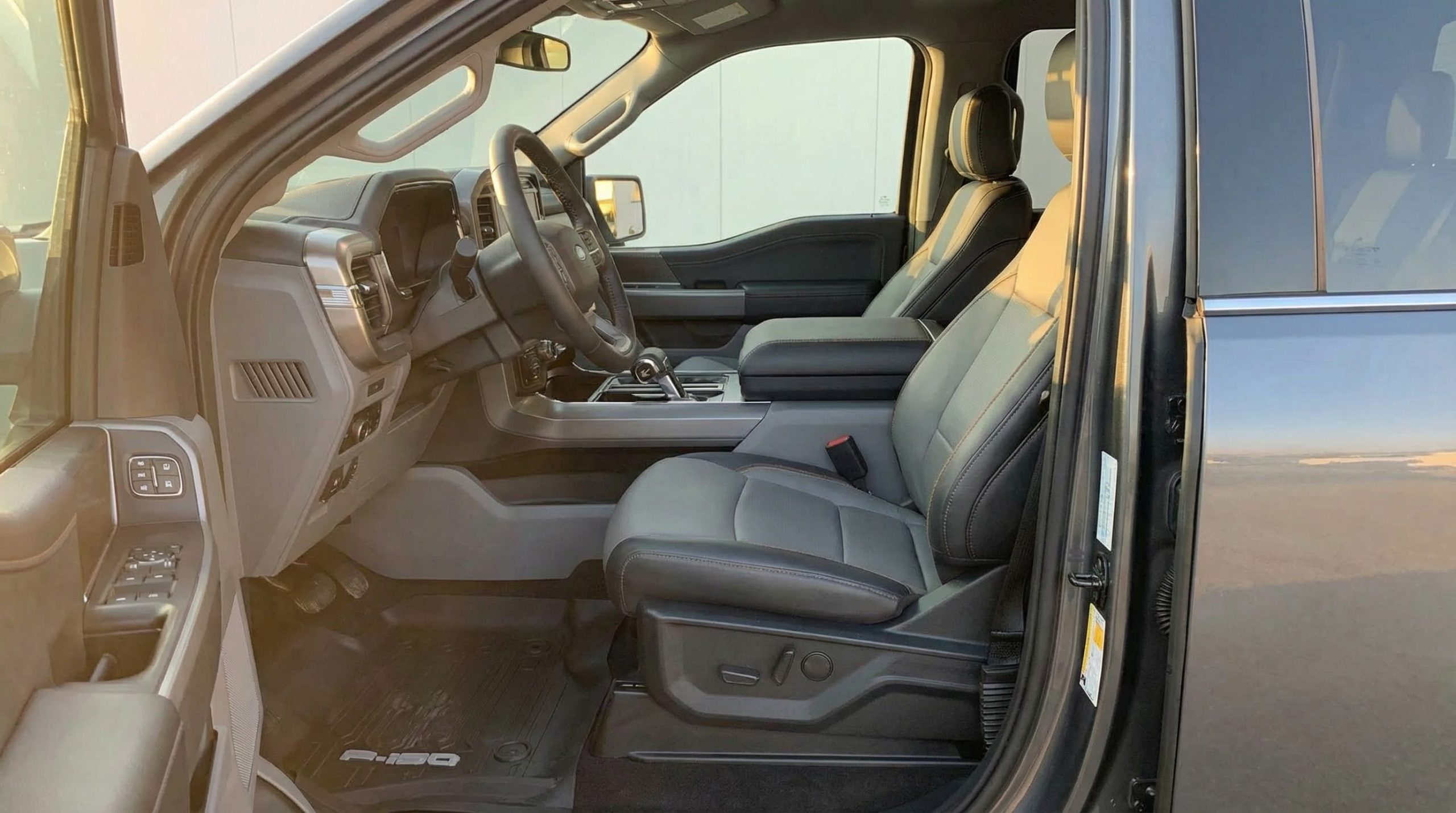
Depending on trim, the 2026 F-150 can include:
- Heated front seats
- Heated steering wheel
- Remote start capability
- Dual-zone climate control
These features improve comfort during extended winter commutes and early morning starts.
How Does Winter Affect Towing?
Towing in winter introduces additional traction considerations. 4×4 systems improve launch stability on icy boat ramps or snow-covered job sites.
For maximum towing ratings and equipment requirements, see our detailed 2026 F-150 Towing Guide.
How to Choose the Right Winter Configuration
- Determine whether you regularly drive unplowed or gravel roads.
- Evaluate trailer use during winter months.
- Consider available heated and remote start features.
- Confirm drivetrain availability within your preferred trim.
Key Takeaways
- 4×4 improves traction and stability in snow and rural conditions.
- Selectable drive modes enhance low-traction performance.
- FX4 adds off-road durability but is not mandatory for winter use.
- Heated features improve daily winter comfort.
- Proper tires remain essential regardless of drivetrain.
Frequently Asked Questions
Is 4×4 required for South Dakota winters?
While not legally required, 4×4 is strongly recommended for drivers navigating rural roads and heavy snow conditions.
Does 4×4 improve towing in winter?
Yes. It improves traction during launch and low-speed maneuvering on slippery surfaces.
Is FX4 necessary for winter driving?
No. FX4 enhances off-road durability but is not required for snow performance.
Conclusion
In my experience, winter capability decisions are less about extreme off-road features and more about honest assessment of daily driving conditions. For many South Dakota drivers, 4×4 paired with proper tires provides the balance of confidence and practicality that winter demands.
Explore winter-ready 2026 F-150 configurations at Beadle Ford or contact us to discuss 4×4 availability.
About the Author
Lexy Tabbert provides research-driven truck configuration guidance and in-depth vehicle insights for drivers across South Dakota and the surrounding region.
2026 Ford F-150 Trim Levels Explained
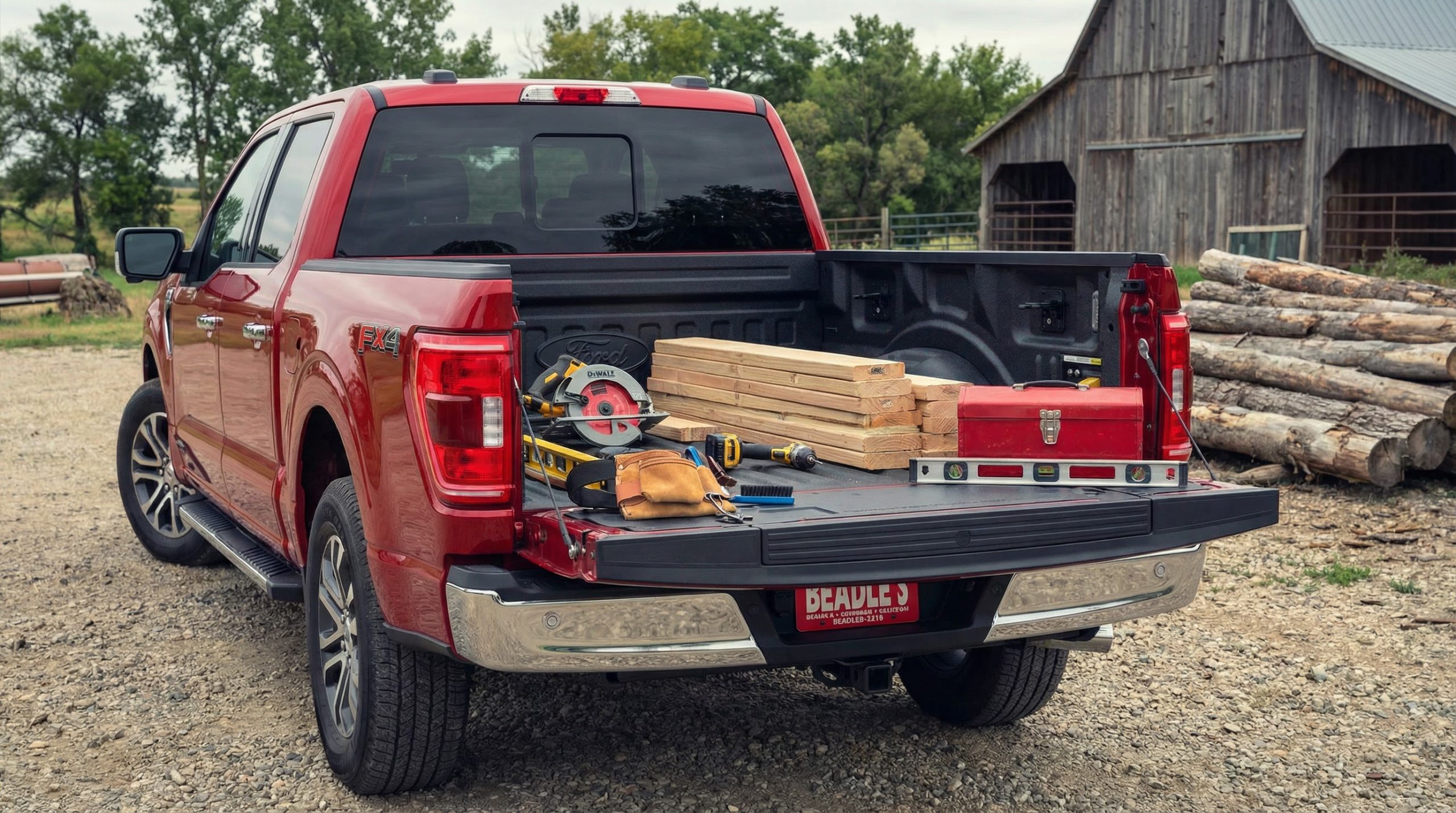
The 2026 Ford F-150 is available in multiple trim levels, each engineered for a distinct balance of work capability, technology integration, and interior refinement. Understanding these differences prevents overbuying or underconfiguring your truck.
This guide explains what each trim level is designed for and how they compare. For engine specifications and towing ratings, reference the full 2026 Ford F-150 overview.
How Many Trim Levels Are Available on the 2026 F-150?
The 2026 F-150 is available in multiple trim levels, each designed for a different type of buyer — from work-focused configurations to premium luxury and off-road performance models.
- XL
- STX
- XLT
- Lariat
- King Ranch
- Platinum
- Raptor
- Raptor R
What Does the F-150 XL Offer?
The XL is the most straightforward work-focused trim. It emphasizes durability, utility, and value.
It is commonly selected for fleet use, agricultural work, and buyers who plan to configure towing and drivetrain capability without additional luxury features.
What Is the STX Package?
The STX builds on the XL by adding upgraded exterior styling and additional interior convenience features. It provides a more modern appearance without stepping into higher trim pricing.
For buyers who want a clean look without luxury-level features, STX strikes a practical balance.
Is XLT the Most Popular Trim?
Yes. XLT is often considered the sweet spot in the lineup.
It adds upgraded interior materials, expanded technology features, and access to popular equipment groups while maintaining strong towing and engine flexibility.
Many buyers who want both capability and everyday comfort begin their search here.
What Does Lariat Add Over XLT?
Lariat moves into premium territory. It typically includes upgraded seating materials, expanded technology features, and enhanced interior finishes.
For buyers who spend long hours behind the wheel or use their truck for both work and family travel, Lariat offers a noticeable refinement upgrade.
Technology differences across trims are explained in greater detail in our F-150 Technology & Interior Guide.
King Ranch vs Platinum: What’s the Difference?
Both trims represent the upper tier of the F-150 lineup.
- King Ranch emphasizes distinctive styling and premium materials.
- Platinum focuses on modern luxury and high-end technology.
Capability remains strong at this level, but the focus shifts toward comfort and elevated interior design.
Where Do Raptor and Raptor R Fit?
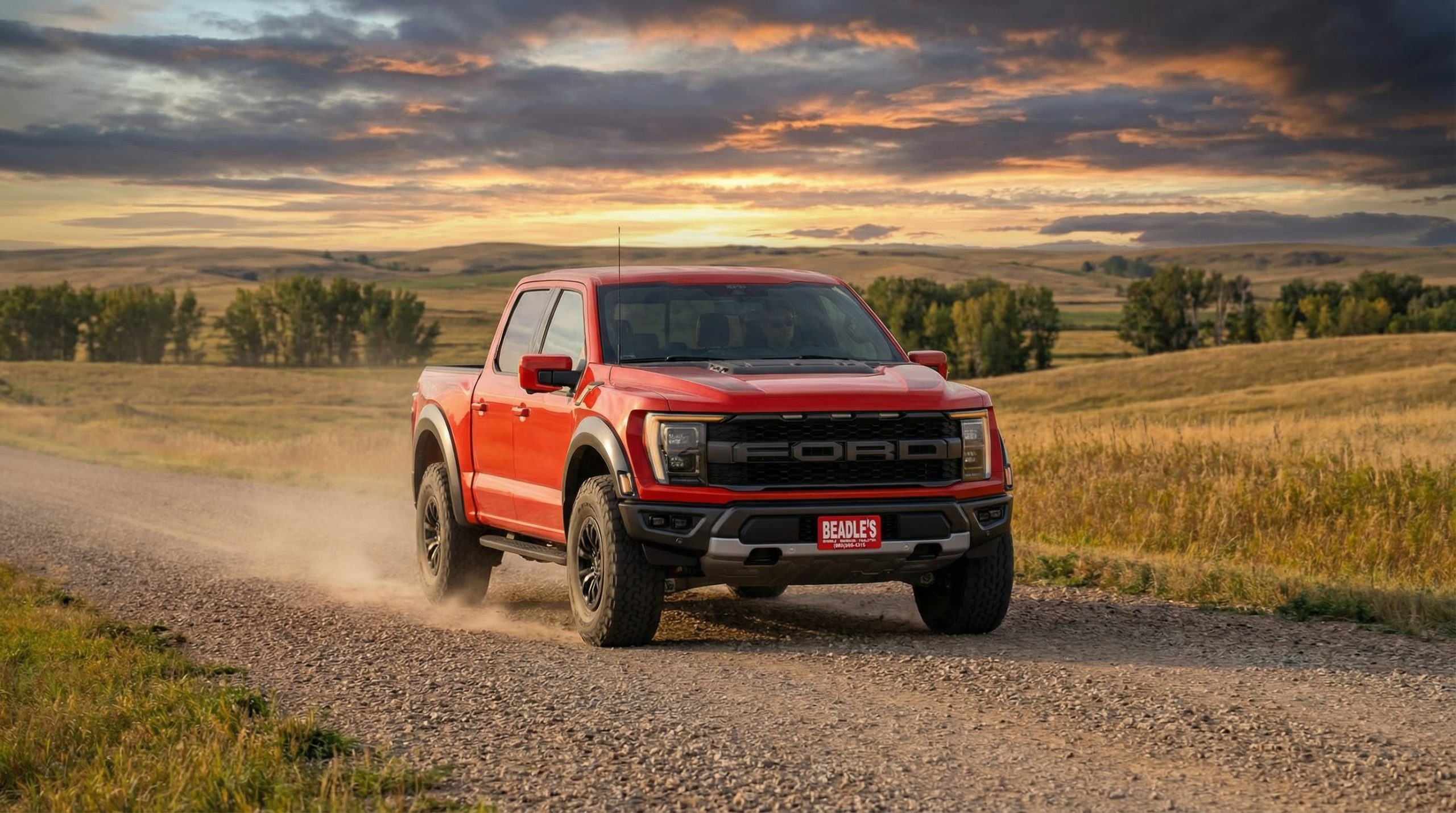
Raptor models prioritize off-road suspension travel, performance tuning, and aggressive styling.
They are engineered for terrain capability and high-speed off-road driving rather than maximum conventional towing numbers.
How to Choose the Right 2026 F-150 Trim
- Determine whether the truck will be primarily work-focused or mixed-use.
- Identify must-have technology or comfort features.
- Confirm engine and towing needs first.
- Then evaluate equipment groups within your preferred trim.
Key Takeaways
- XL and STX prioritize value and work capability.
- XLT is often the most balanced trim.
- Lariat adds premium interior refinement.
- King Ranch and Platinum emphasize luxury.
- Raptor models focus on performance and off-road capability.
Frequently Asked Questions
Which 2026 F-150 trim is best for towing?
Towing capability depends more on engine and equipment configuration than trim level alone.
Is Lariat worth the upgrade from XLT?
For buyers prioritizing interior comfort and upgraded materials, Lariat offers noticeable refinement improvements.
Is Raptor built for heavy towing?
Raptor models prioritize performance and suspension travel rather than maximum conventional towing ratings.
Conclusion
In my experience, trim selection becomes much easier once buyers separate capability requirements from comfort preferences. Start with the engine and towing needs, then layer in the interior and technology features that matter most. That order prevents overbuying or underconfiguring the truck.
Compare available 2026 F-150 trims at Beadle Ford or contact us to review equipment group differences.
About the Author
Lexy Tabbert provides detailed truck research and configuration guidance for drivers across South Dakota and the surrounding region.
2026 Ford F-150 Towing & Payload Guide
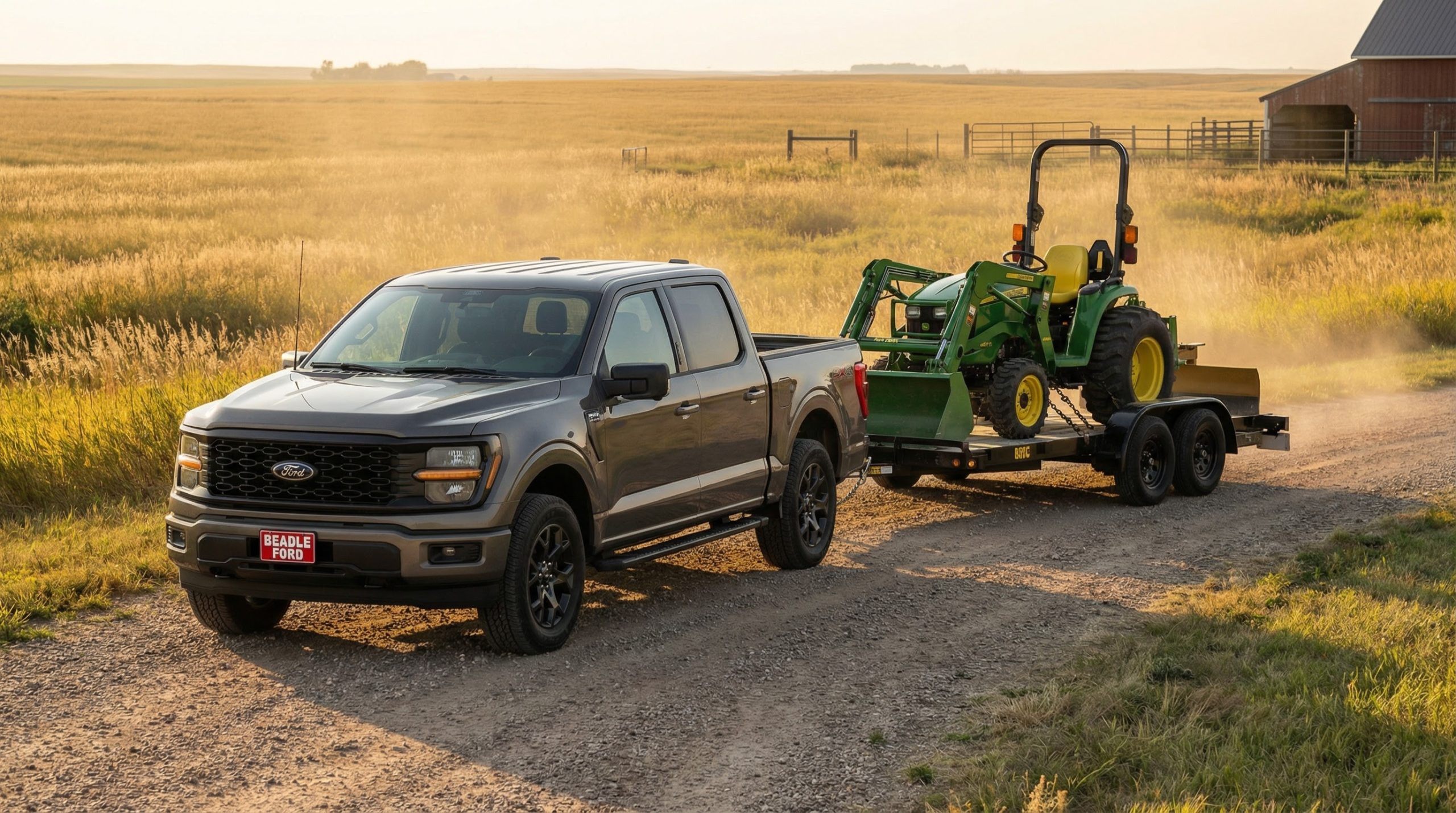
The 2026 Ford F-150 delivers serious towing capability across multiple engine configurations. When properly equipped, it can tow up to 13,500 pounds — but reaching that number depends on engine choice, axle ratio, and required equipment.
This guide breaks down maximum towing ratings, required packages, 5th-wheel limits, axle considerations, altitude adjustments, and what South Dakota buyers should verify before ordering.
For full trim and engine availability details, reference the complete 2026 Ford F-150 overview.
What Is the Maximum Towing Capacity of the 2026 F-150?
The highest conventional towing capacity available on the 2026 Ford F-150 is 13,500 pounds when properly equipped with the 3.5L EcoBoost engine and required towing packages.
Not all trims and configurations qualify for maximum towing, which is why engine and equipment selection matters.
2026 F-150 Towing Capacity by Engine
| Engine | Max Conventional Tow (lbs.) |
|---|---|
| 2.7L EcoBoost V6 | 8,400 |
| 5.0L V8 | 12,800 |
| 3.5L EcoBoost V6 | 13,500 |
| 3.5L PowerBoost Hybrid | 11,600 |
| 3.5L EcoBoost High Output (Raptor) | 8,200 |
| 5.2L Supercharged V8 (Raptor R) | 8,700 |
Maximum ratings require proper configuration. Engine selection is explained further in our F-150 Engine Options Guide.
What Equipment Is Required to Reach Maximum Tow Ratings?
For gas engines towing above 11,600 pounds — and hybrids above 10,800 pounds — the Tow/Haul Package and Max Tow Axle configuration are required.
- Tow/Haul Package
- Integrated Trailer Brake Controller
- Max Tow Axle Ratio (varies by engine)
- Proper hitch setup
Without these components, your truck will not reach published maximum ratings.
What Are the 5th-Wheel and Gooseneck Limits?
The 2026 F-150 can tow up to 7,200 pounds via 5th-wheel or gooseneck when properly equipped with the appropriate hitch kit.
Note that Raptor models are not recommended for 5th-wheel towing.
Do Trailer Frontal Area Limits Matter?
Yes. Trailer frontal area affects safe towing limits.
- Under 7,700 lbs: 55 sq ft frontal area
- Over 7,701 lbs: 65 sq ft frontal area
- 5th-wheel/gooseneck: 75 sq ft frontal area
Enclosed trailers and campers can exceed frontal area limits even if weight appears within range. This is commonly overlooked.
Does Altitude Affect Towing Capacity?
Yes. Ford recommends reducing Gross Combined Weight by 2% per 1,000 feet above sea level.
This matters for drivers traveling through higher elevations in western South Dakota and neighboring states.
How Do Raptor and Raptor R Compare for Towing?
Raptor models prioritize suspension travel and off-road performance over maximum conventional towing numbers.
While capable, they are not designed to compete with the 3.5L EcoBoost’s 13,500-pound maximum rating.
How to Choose the Right Towing Configuration
- Confirm the exact loaded weight of your trailer.
- Verify required Tow/Haul and axle configurations.
- Check frontal area limits if towing enclosed trailers.
- Consider elevation if towing long distance.
- Match engine and trim to your real usage pattern.
Key Takeaways
- Maximum towing reaches 13,500 lbs with the 3.5L EcoBoost.
- Proper equipment is required to achieve published ratings.
- Hybrid models offer strong capability but lower max ratings.
- Frontal area and altitude adjustments are often overlooked.
- Raptor models prioritize performance over max towing.
For fuel economy and long-term operating considerations while towing, see our Ownership & Fuel Economy Guide.
Frequently Asked Questions
Which 2026 F-150 engine tows the most?
The 3.5L EcoBoost delivers the highest conventional towing capacity at up to 13,500 pounds when properly equipped.
Do I need the Tow/Haul Package for maximum towing?
Yes. Maximum ratings require specific packages and axle ratios.
Can the hybrid tow over 11,000 pounds?
Yes. The PowerBoost hybrid can tow up to 11,600 pounds when properly equipped.
Conclusion
In my experience, towing decisions become much clearer once buyers move beyond advertised maximum numbers and focus on equipment requirements and real trailer weight. The strongest configuration is the one that matches your actual towing habits — not just the biggest headline figure.
See how current 2026 F-150 models are configured at Beadle Ford or contact us to verify towing equipment availability.
About the Author
Lexy Tabbert provides in-depth truck research and configuration guidance for drivers across South Dakota and the surrounding region.
2026 Ford F-150 Engine Options Guide
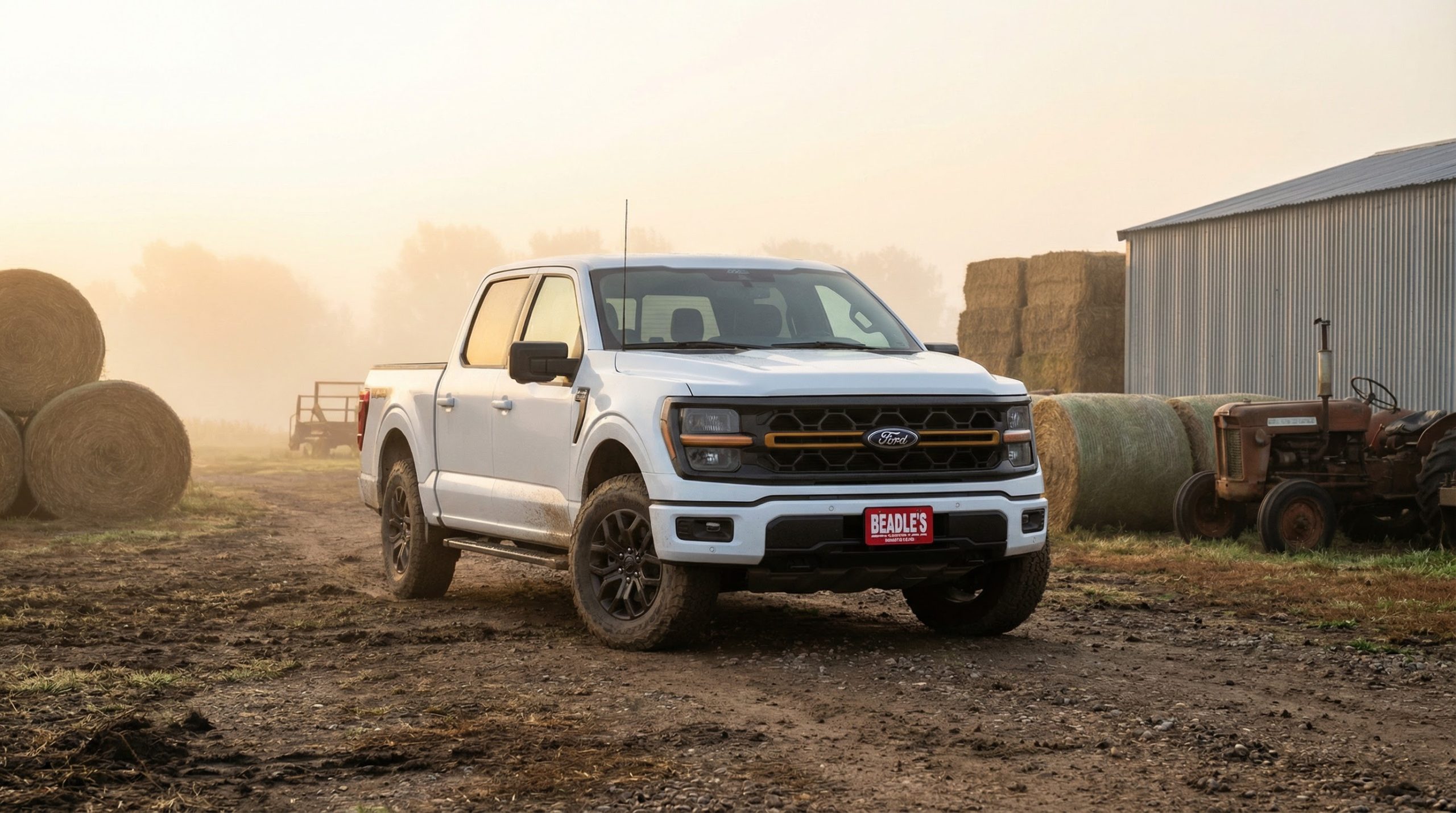
The 2026 Ford F-150 offers six distinct engine options, ranging from efficient EcoBoost configurations to a full hybrid system and high-performance Raptor variants. Each powertrain is engineered for a different balance of towing strength, daily drivability, and long-term ownership priorities.
This guide breaks down each available powertrain and explains who it makes the most sense for. For full trim availability, drivetrain pairings, and feature differences, reference the complete 2026 Ford F-150 overview.
How Many Engine Options Are Available on the 2026 F-150?
The 2026 F-150 offers six distinct powertrains, including five gas engines and one full hybrid system. All are paired with a 10-speed automatic transmission and differ in torque delivery, towing capability, and overall driving character.
- 2.7L EcoBoost V6
- 5.0L V8
- 3.5L EcoBoost V6
- 3.5L PowerBoost Full Hybrid
- 3.5L EcoBoost High Output (Raptor)
- 5.2L Supercharged V8 (Raptor R)
Is the 2.7L EcoBoost Enough for Most Drivers?
Yes — for many drivers, the 2.7L EcoBoost provides more than enough capability. When properly equipped, it can tow up to 8,400 pounds while delivering strong low-end torque for everyday driving.
This engine works well for commuting, moderate trailer use, and rural driving without stepping into maximum towing configurations.
Does the 5.0L V8 Still Make Sense in 2026?
The 5.0L V8 remains a popular option for buyers who prefer naturally aspirated power delivery and traditional V8 sound and feel. When properly equipped, it can tow up to 12,800 pounds.
For many drivers, the V8 represents straightforward performance and proven durability.
Why Choose the 3.5L EcoBoost?
The 3.5L EcoBoost delivers the highest conventional towing rating in the 2026 lineup — up to 13,500 pounds when properly equipped with the Tow/Haul Package and Max Tow Axle.
It balances heavy-duty capability with strong highway performance, making it ideal for long-distance towing.
For axle ratios, required packages, and configuration specifics, see the detailed 2026 F-150 Towing Guide.
Is the 3.5L PowerBoost Hybrid Worth It?
The PowerBoost hybrid combines twin-turbo power with electric motor assistance. When properly equipped, it can tow up to 11,600 pounds.
It also enables available Pro Power Onboard functionality, supplying electricity for job sites or camping setups.
Long-term cost considerations between hybrid and gas configurations are explored further in our F-150 Ownership & Long-Term Costs Guide.
What About Raptor and Raptor R Engines?
The Raptor’s 3.5L High Output EcoBoost focuses on high-speed off-road performance, offering up to 8,200 pounds of towing capability.
The Raptor R’s supercharged 5.2L V8 emphasizes extreme performance and can tow up to 8,700 pounds.
Which Engine Is Best for South Dakota Driving?
The right engine depends on how the truck will actually be used.
- Daily driving + moderate towing: 2.7L EcoBoost
- Traditional V8 preference: 5.0L V8
- Maximum conventional towing: 3.5L EcoBoost
- Efficiency + onboard power: PowerBoost Hybrid
- Off-road performance focus: Raptor or Raptor R
Engine choice becomes clearer when considered within the full 2026 F-150 lineup, including trim and drivetrain pairings.
How to Choose the Right F-150 Engine
- Determine the heaviest trailer you realistically plan to tow.
- Confirm required equipment for maximum ratings.
- Consider how often you drive long highway distances.
- Evaluate winter traction needs.
- Balance capability with daily comfort.
Conclusion
In my experience, the right engine choice becomes much clearer once buyers focus on how often they truly need maximum towing versus how often they’ll use the truck for everyday driving. The strongest number on paper isn’t always the best fit — the best configuration is the one that matches how the truck will actually be used.
Review current 2026 Ford F-150 availability at Beadle Ford or contact us to compare engine configurations in person.
About the Author
Lexy Tabbert provides research-driven vehicle guides and in-depth truck insights for drivers across South Dakota and the surrounding region.
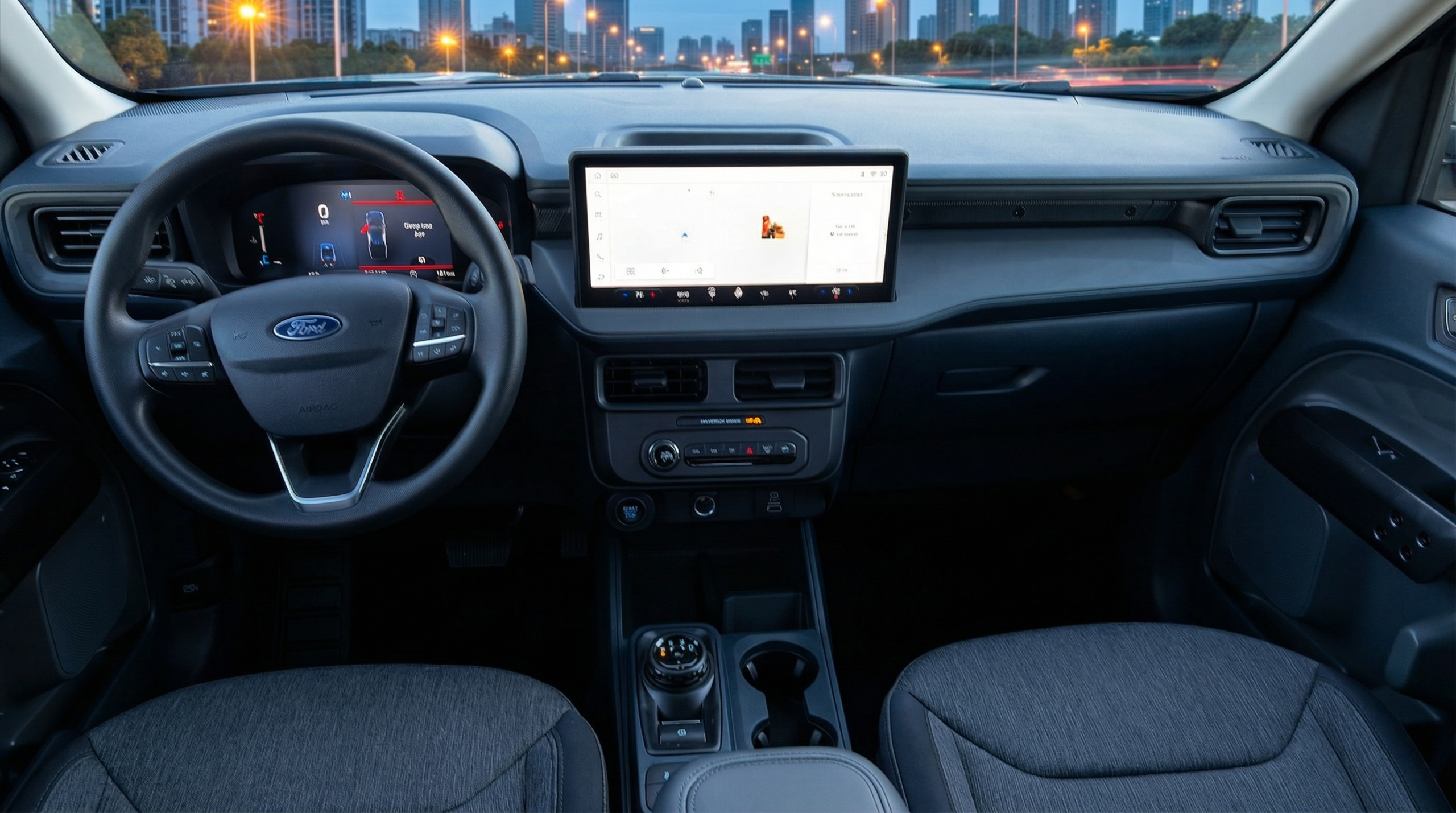
In a compact truck, technology should solve problems—not add complexity. For most Maverick owners, the best tech improves visibility, daily convenience, and winter confidence. This guide focuses on the tech questions people actually ask when they’re comparing trims and trying to avoid paying for features they’ll never use.
Technology choices are easiest after you know your drivetrain and use-case. If you haven’t done that step yet, start here: 2026 Maverick Specs & Configurations. For shopping and inventory support, visit the Ford Maverick hub.
What technology matters most in a Maverick?
The most valuable Maverick technology is the kind that makes the truck easier to live with: clear displays, simple controls, and driver-assist features that reduce stress in traffic and on long rural drives. Start by thinking about your biggest friction points: backing, visibility in bad weather, long commutes, or managing a small trailer.
Visibility tech: the real quality-of-life upgrade
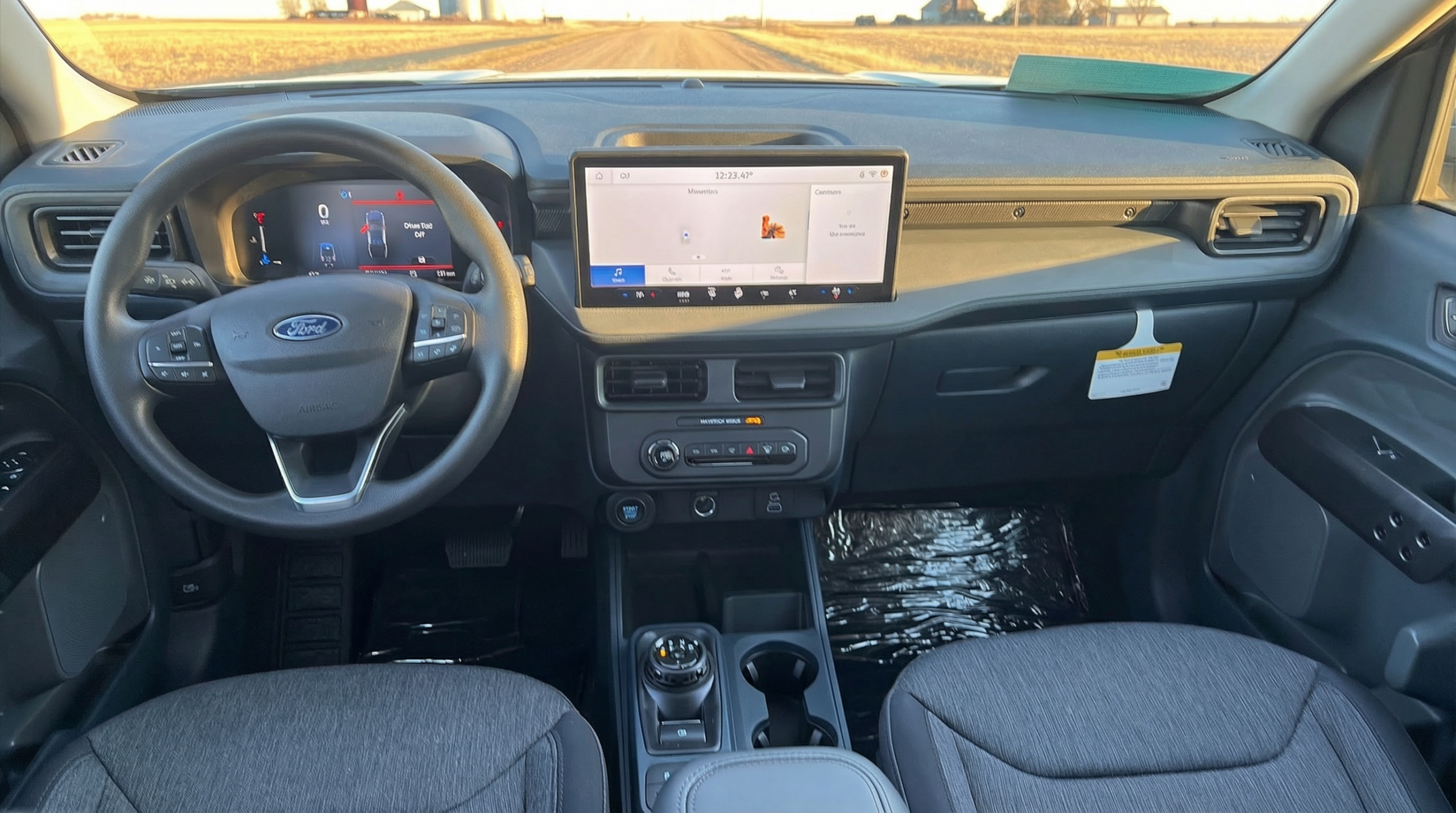
- Camera views: reduce backing stress and help in tight driveways and parking lots.
- Clear displays: matter more than “biggest screen” if you want quick, readable information.
- Practical layout: the best tech is easy to access while wearing gloves or managing winter gear.
Tech that helps in winter and bad weather
For South Dakota winters, the most helpful tech usually isn’t flashy—it’s what helps you see better and stay calm when roads change fast. AWD helps with traction, but visibility and confidence features help you avoid mistakes.
If your main goal is winter confidence, pair this with: 2026 Maverick Winter Driving Guide.
Why tech varies by trim and package
Maverick technology isn’t “all or nothing.” Availability can change by trim, package, and build timing—so it’s smart to confirm the exact equipment list instead of assuming every Maverick has the same screens or driver assistance features.
If you’re choosing between trims primarily for features, use: 2026 Maverick Trims & Packages Guide.
Quick Overview
| Best tech focus | Visibility, simple usability, and confidence in daily driving |
| Most important shopping habit | Confirm equipment by window sticker/build list |
| Related decisions | Trims & packages, winter driving, light towing |
How to shop Maverick tech without guessing
- List your pain points: backing, long commutes, winter visibility, or towing a small trailer.
- Decide must-have vs nice-to-have: keep the list short so you don’t overpay.
- Compare two real builds: use the window sticker/equipment list, not assumptions.
- Confirm usability: readable screens, straightforward controls, and camera views where you’ll actually use them.
FAQ
Do all 2026 Mavericks have the same screens and tech features?
What tech helps the most for winter driving?
How should I compare tech between two trims?
Conclusion
In my experience, the best Maverick tech choices are the ones that reduce daily friction—visibility, easy controls, and confidence in bad weather. When buyers focus on real-life usability instead of feature bragging rights, they end up with a truck that feels easier to own every day.
About the Author: Lexy Tabbert works with South Dakota and North Dakota buyers who want practical truck guidance—winter driving confidence, feature decisions that matter, and long-term ownership value. Her focus is straightforward: confirm the essentials first, then choose the technology that makes daily life easier.
2026 Ford Maverick MPG & Ownership Costs (What to Expect in the Real World)
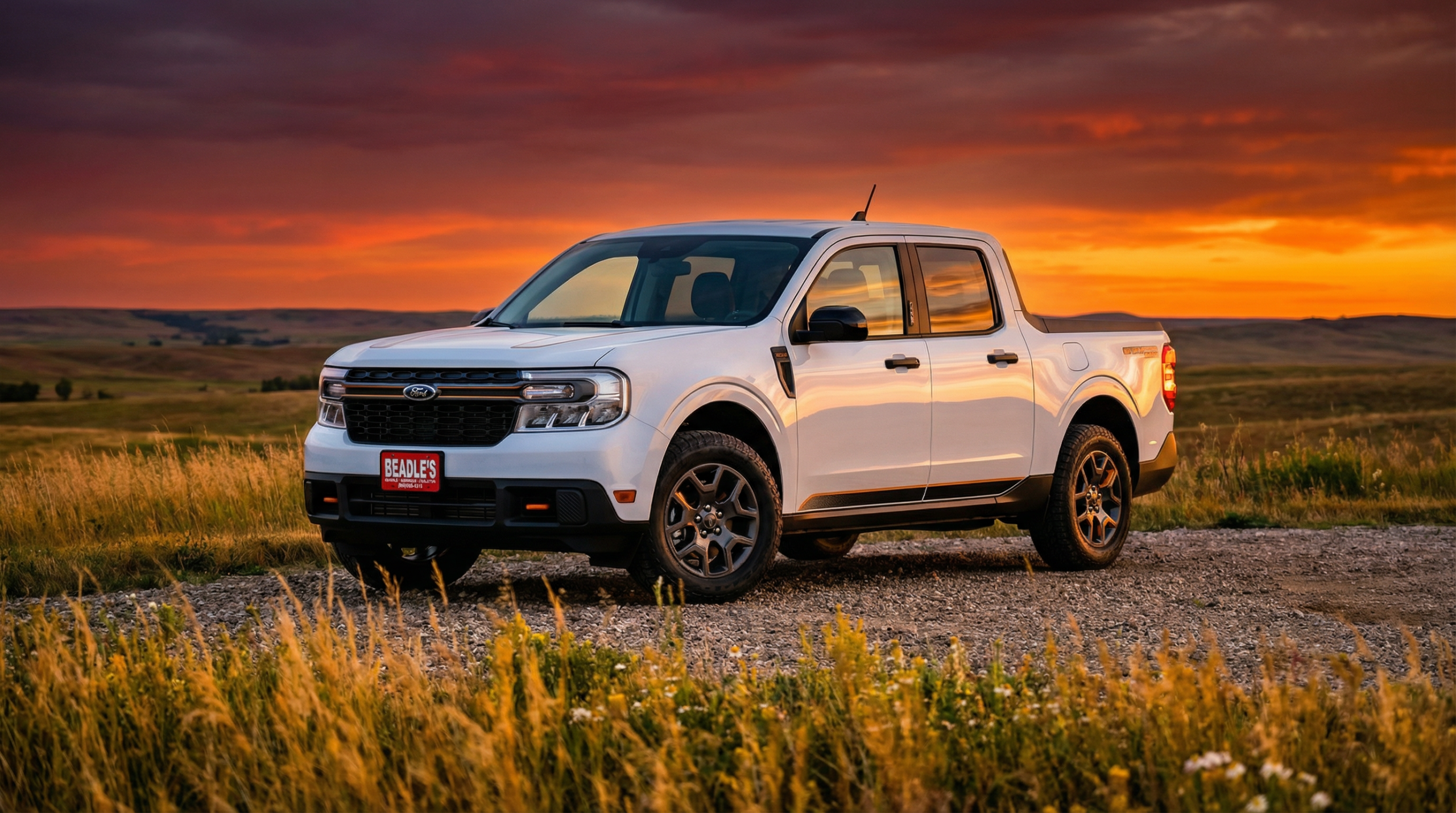
Maverick buyers are usually trying to hit the same goal: practical truck utility without taking on “full-size truck” operating costs. This guide focuses on real-world MPG expectations (especially for AWD EcoBoost shoppers), what changes in winter, and the cost factors that matter just as much as fuel.
If you’re still deciding drivetrain and towing equipment (which can change how the truck is used and what it costs to run), start with: 2026 Maverick Specs & Configurations. For inventory and shopping support, visit the Ford Maverick hub.
What affects MPG the most on a Maverick?
MPG isn’t a single number you “get.” It’s the result of how you drive, where you drive, and how the truck is set up. For Maverick owners in SD/ND, the biggest swing factors are highway speed, wind, winter temperatures, tire choice, and whether you spend a lot of time carrying gear or towing.
- Speed + wind: open highways and headwinds can reduce efficiency more than most people expect.
- Cold starts: short trips in winter usually lower MPG the most.
- Load and towing: carrying heavy gear or towing changes the truck’s workload and fuel use quickly.
AWD + South Dakota winter: what changes?
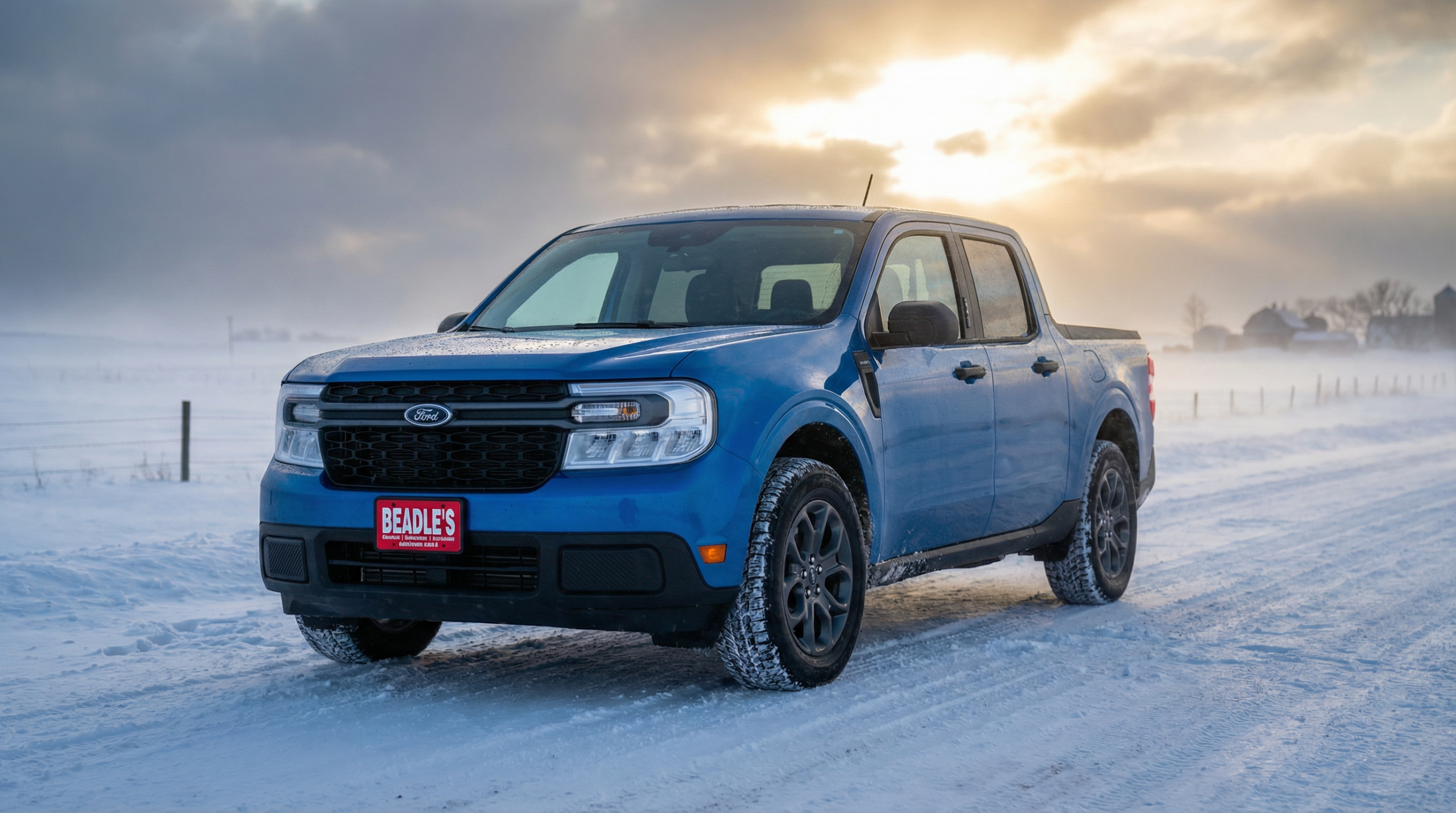
AWD is worth it for many buyers because traction and confidence matter more than chasing the best possible MPG. The trade-off is that winter driving usually reduces efficiency—cold air, warm-up time, snow-covered roads, and winter tires all play a role.
If your priority is winter confidence and choosing the right setup (including tires), use: 2026 Maverick Winter Driving Guide.
Ownership costs beyond fuel (the stuff buyers miss)
Fuel matters, but most ownership cost surprises come from build choices. A truck that’s “over-optioned” for your use can cost more up front and not make your daily life any better.
- Option creep: adding packages that don’t solve real needs inflates payment and ownership cost.
- Tires: great winter tires improve safety and confidence—often more than another tech package.
- Usage pattern: heavy hauling/towing changes wear and operating costs more than most people budget for.
Hybrid note: when it makes sense (without making it the focus)
Some buyers prioritize hybrid for efficiency, especially for city-heavy driving. In our local shopping reality, many buyers still prioritize AWD for winter confidence. The right answer depends on your commute style, winter route demands, and what you value most day-to-day.
Quick Overview
| Best for | Budget-minded buyers balancing truck utility and daily efficiency |
| Biggest swing factors | Winter temperature, highway speed/wind, load/towing, tires |
| Smart shopping move | Build for your real use—don’t pay for packages you won’t feel |
How to estimate your real cost to own
- List your driving: city vs highway, daily miles, and winter usage.
- Decide your priority: winter traction (AWD) vs maximum efficiency (often hybrid).
- Account for tires: budget for winter tires if you drive in snow regularly.
- Be honest about towing: even light towing can change fuel use and wear.
- Compare two real builds: choose the one you’ll actually benefit from.
FAQ
Will winter driving reduce Maverick MPG?
Does AWD always mean worse MPG?
What’s the biggest ownership-cost mistake buyers make?
Conclusion
In my experience, Maverick ownership feels “cheap in a good way” when the build matches the real routine—AWD for winter confidence, towing hardware only if you need it, and packages that you’ll actually feel every day. When buyers build intentionally, Maverick delivers the practicality people want without the operating cost shock.
About the Author: Lexy Tabbert helps South Dakota and North Dakota buyers choose efficient, practical truck setups for real life—winter driving, commuting, weekend projects, and long-term ownership value. Her approach is straightforward: build for your real use-case first, then add features and packages that you’ll actually notice.
If you’re buying a Maverick in South Dakota, winter confidence is the real test. AWD helps—but the best winter setups come from AWD + the right tires + realistic expectations. This guide focuses on what actually makes a Maverick feel stable and predictable when roads are slick, windy, or snow-packed.
Winter performance makes the most sense after you’ve decided drivetrain and configuration. If you haven’t done that step yet, start with: 2026 Maverick Specs & Configurations. For inventory and shopping help, visit the Ford Maverick hub.
AWD vs tires: what matters more?
For winter driving, tires usually make the biggest difference first. AWD helps you get moving and maintain traction, but stopping and cornering confidence comes heavily from tire grip. The best winter Maverick setup is usually AWD plus tires that match your routes and snow/ice exposure.
Traction basics for compact trucks
Maverick is a compact truck, which is a good thing in winter: it’s easier to maneuver and less fatiguing in town. The tradeoff is that traction can change quickly when roads go from plowed to drifted, or when you transition from pavement to gravel. That’s why tires, visibility, and a stable driving rhythm matter just as much as drivetrain.
If you’re balancing winter needs with ownership costs, this is explored further in: 2026 Maverick MPG & Ownership Costs.
Highway wind and stability: what to expect
South Dakota winter driving isn’t just snow—it’s wind. On open highways, the combination of gusts, passing semis, and uneven road surfaces can make vehicles feel “busy.” The best way to reduce stress is good tires, proper pressure, and a build that matches your real route needs.
How to set up a Maverick for winter (practical checklist)
- Choose tires intentionally: winter tires if you drive in snow/ice daily; quality all-seasons if you’re mostly on plowed roads.
- Confirm AWD if it’s a non-negotiable: verify on the equipment list—not assumptions.
- Check wipers/visibility: winter visibility is often the “make or break” comfort factor.
- Keep weight realistic: don’t overload—payload still matters in winter handling.
- Plan for driving style: smooth inputs beat aggressive driving every time in slick conditions.
Quick Overview
| Best winter upgrade | Tires that match your routes and snow/ice exposure |
| Best confidence combo | AWD + good tires + clear visibility setup |
| Smart shopping move | Choose drivetrain first, then trim; confirm equipment list on the exact truck |
How to choose an AWD Maverick build for SD winters
- Decide where you drive: in-town, highway commute, or rural gravel routes.
- Choose AWD if you need traction margin for winter and variable surfaces.
- Budget for tires that match your winter exposure (this matters more than many packages).
- Keep towing/payload realistic so winter handling stays predictable.
- Compare two real builds on the Maverick hub to confirm equipment and value.
FAQ
Is AWD enough for South Dakota winters?
Do I need winter tires if I have AWD?
What’s the biggest winter-driving mistake Maverick buyers make?
Conclusion
In my experience, the Maverick winter setup that feels best is simple: AWD for traction margin, tires that match your routes, and a build that stays realistic on payload and towing. When buyers plan for visibility and traction first, the Maverick feels calm and predictable even when South Dakota weather doesn’t cooperate.
About the Author: Lexy Tabbert helps South Dakota and North Dakota shoppers choose winter-capable truck setups for real routes—highway commutes, rural roads, and changing weather. Her guidance focuses on practical confidence: the right drivetrain, the right tires, and a configuration that matches how you actually drive.
2026 Ford Maverick Trims & Packages
2026 Ford Maverick Trims & Packages (What to Choose, What to Skip)
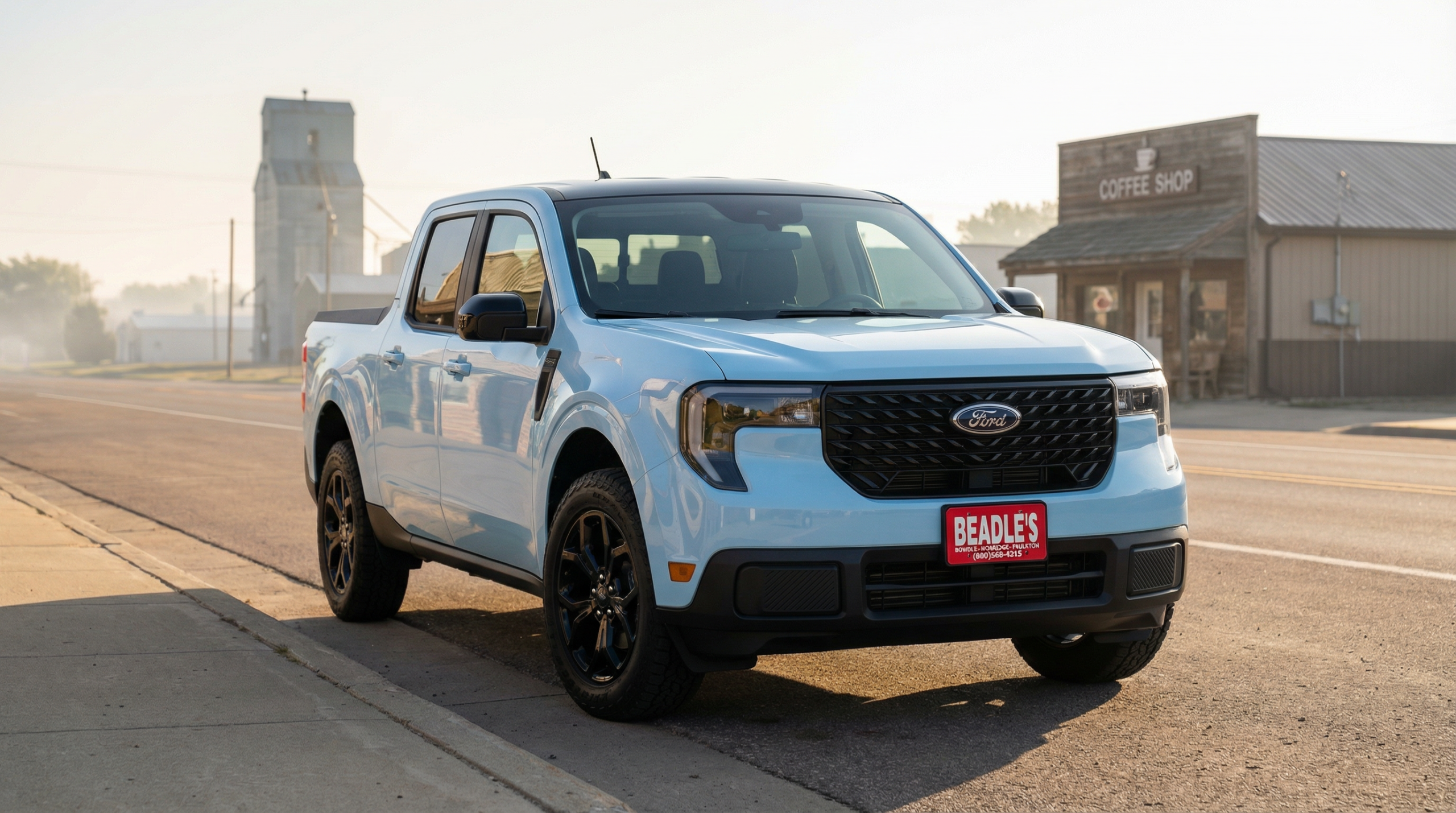
Picking a 2026 Ford Maverick trim is only “step two.” The buyers who end up happiest usually decide drivetrain (AWD vs FWD), payload reality, and towing hardware first—then use trims and packages to fine-tune comfort, convenience, and appearance.
If you haven’t locked in your must-haves yet, start with: 2026 Maverick Specs & Configurations. For inventory, model guidance, and local help in one place, visit the Ford Maverick hub.
Which 2026 Maverick trims are offered?
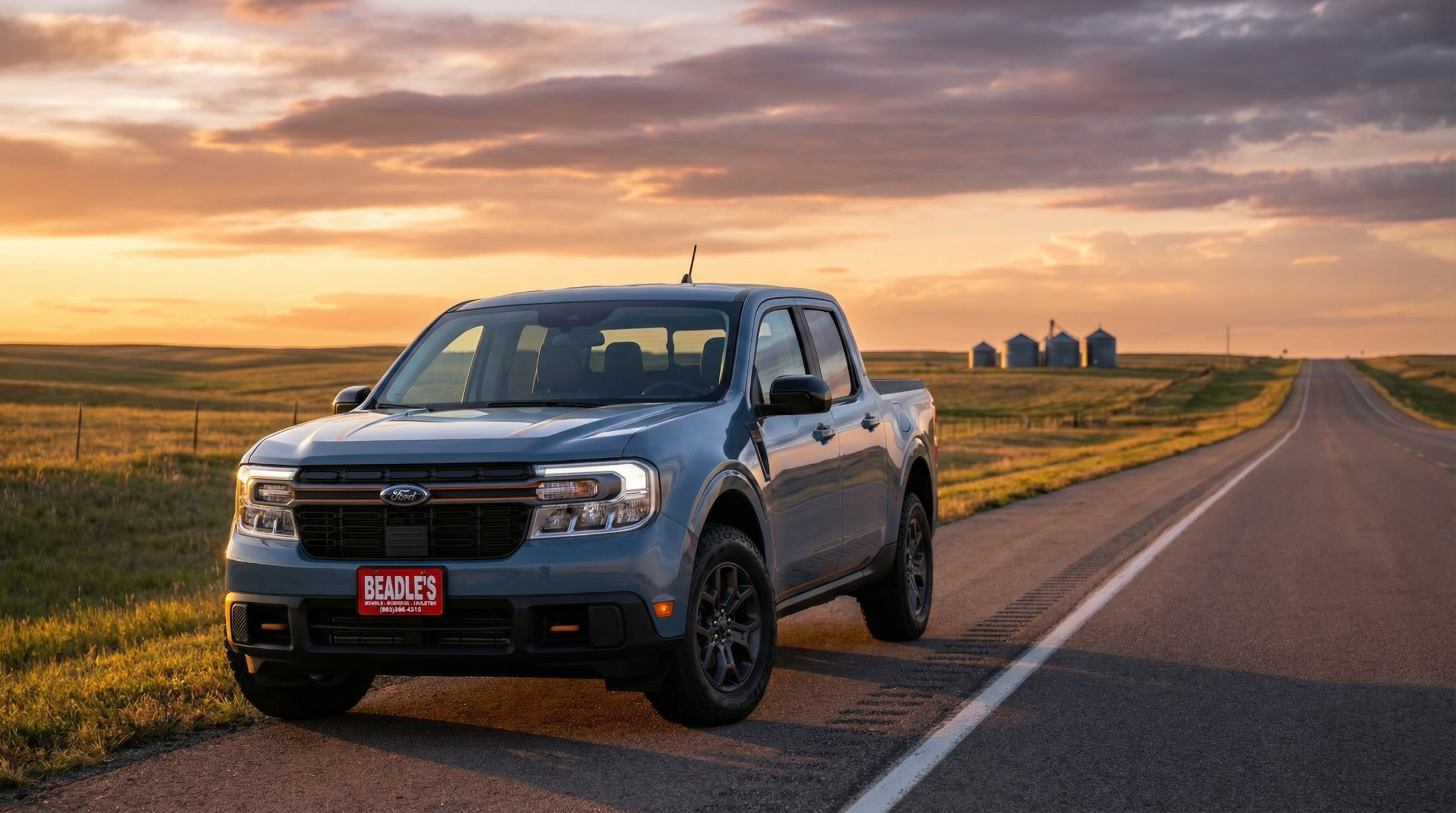
The 2026 Maverick lineup is commonly shown with these model lines: XL, XLT, Lobo, Lariat, and Tremor. The biggest mistake buyers make is assuming the trim name automatically equals capability. On Maverick, capability is driven by drivetrain, payload, and towing equipment.
What trims change (and what they don’t)
Trims primarily change comfort, interior materials, feature access, and appearance. They can also influence which options are easier to add, because packages and required equipment can be tied to certain trims.
- What trims usually change: cabin feel, tech convenience, appearance details, and option availability.
- What trims do not automatically change: your real towing readiness if the truck doesn’t have the right towing hardware.
- What to do instead: verify the exact truck’s equipment list before assuming it’s “the towing one” or “the winter one.”
If towing is part of your decision, pair this with: 2026 Maverick Towing Guide.
Packages that actually change ownership
Most packages fall into a few real-world categories. The “best” packages aren’t the fanciest—they’re the ones that solve problems you actually have.
- Towing-focused packages: aim at real towing hardware (brake controller, 7-pin, hitch class). Confirm on the window sticker.
- Winter/traction-minded equipment: AWD helps, but tires and visibility features often matter just as much.
- Comfort/commute packages: worthwhile if you drive long miles and want the truck to feel “easy” every day.
- Appearance packages: great when they don’t interfere with capability priorities or budget.
Why AWD-first shopping changes the best trim choice
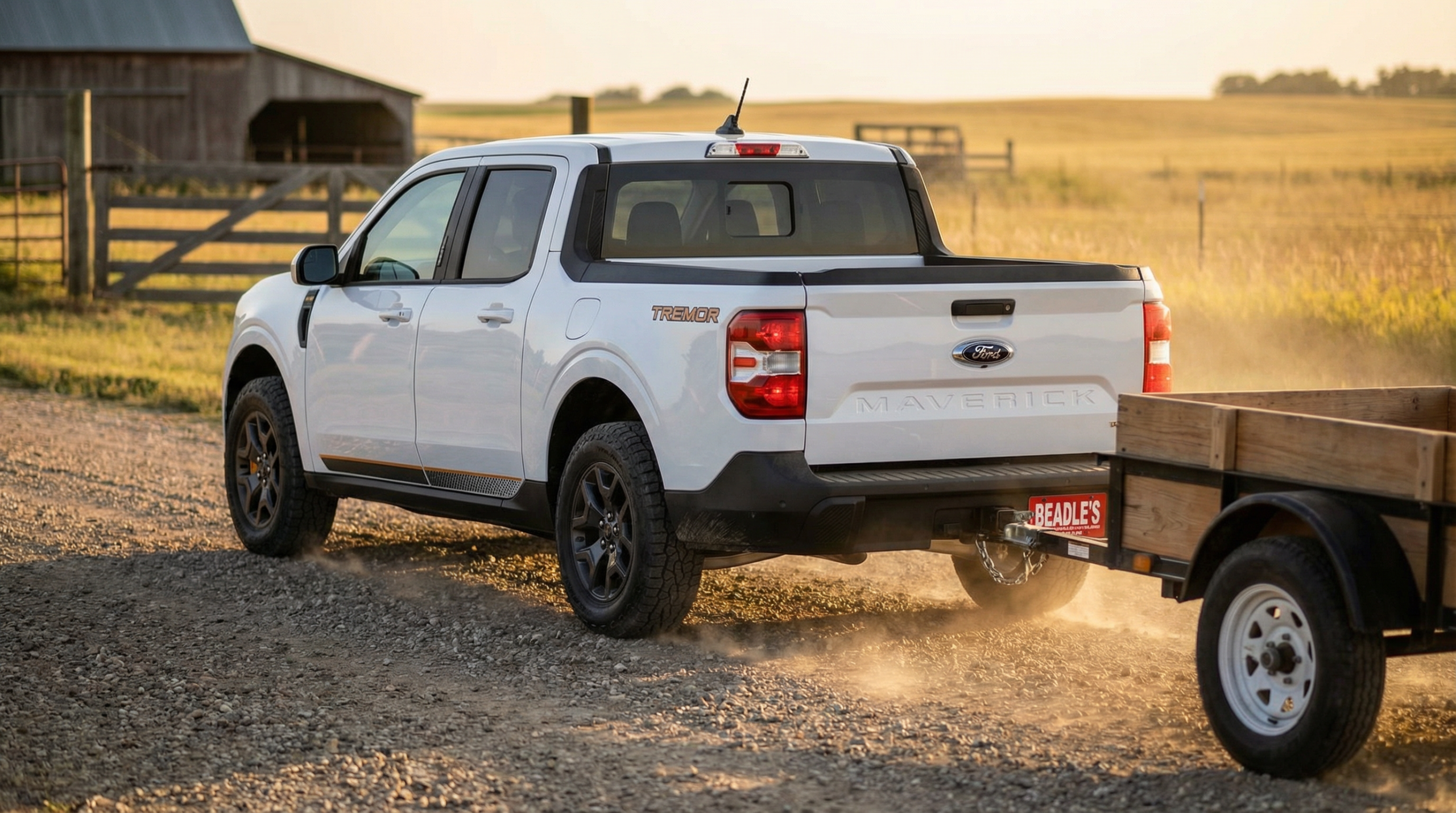
In South Dakota, many Maverick buyers shop AWD first because winter traction is a non-negotiable. That changes how you should evaluate trims: you want the trim that lets you get the drivetrain you want without forcing unwanted extras.
Quick Overview
| Best approach | Choose drivetrain + towing needs first, then pick trim for comfort/features |
| Most common mistake | Buying a trim for the badge and missing the equipment you actually need |
| Smart confirmation | Verify the window sticker for towing hardware, AWD, and required option bundles |
How to choose a trim/package setup (step-by-step)
- Decide AWD vs FWD based on winter routes and confidence needs.
- Decide towing level (light hitch vs full towing hardware) based on your trailer’s loaded weight.
- Confirm payload reality (people + gear + bed cargo) so the build actually fits your routine.
- Pick your trim to match comfort/feature expectations without forcing extras you don’t want.
- Add packages intentionally—choose only what solves a real need.
FAQ
Does a higher trim automatically tow more?
What’s the best way to avoid overpaying for packages?
Where can I compare trims and real inventory together?
Conclusion
In my experience, the best Maverick purchases happen when buyers choose capability first and trim second. When AWD, towing hardware, and payload reality are locked in up front, trims and packages become a simple “fit and finish” decision—not a gamble.
About the Author: Lexy Tabbert helps South Dakota and North Dakota shoppers choose truck configurations that fit real driving—winter roads, weekend projects, towing needs, and long-term ownership. Her approach is straightforward: confirm the capability requirements first, then choose the trim and packages that support how you actually use the truck.
2026 Ford Maverick Towing Guide (What to Buy, What to Avoid)
Maverick towing success isn’t about hype—it’s about buying the right towing hardware for the trailer you actually pull. This guide breaks down the two towing equipment levels (basic hitch vs 4K Tow Package), what each includes, and the questions you should answer before you commit.
If you’re still deciding AWD vs FWD and overall configuration, start here first: 2026 Maverick Specs & Configurations. For inventory and shopping support in one place, visit the Ford Maverick hub.
Step 1: Identify which towing “level” you need
For 2026, the order guide makes it clear that Maverick towing equipment generally lands in one of two setups: a basic hitch for light trailers, or the full 4K Tow Package hardware for higher towing needs. The right choice depends on your trailer’s loaded weight, not the empty brochure number.
- Light utility trailer, occasional use: basic 2K hitch can be appropriate (depending on your actual load).
- Brake-equipped trailers or frequent towing: look for the 4K Tow Package because it adds a brake controller and higher-grade hitch/wiring.
- If you’re uncertain: it’s usually better to buy the right hardware now than “try to upgrade later.”
2K Trailer Hitch (4-pin): what it’s for
The 2K hitch setup is a light-duty tow solution. In the order guide, it’s shown as a 2K Trailer Hitch Receiver with a 4-pin connector on various configurations. This setup is best for simpler trailers where you don’t need a brake controller integrated into the truck.
- Wiring: 4-pin connector (typical for trailer lights on lighter trailers).
- Best for: small utility trailers and light loads.
- Important restriction: the order guide notes the 2K hitch is not available with the 4K Tow Package—they’re different equipment paths.
4K Tow Package: what it includes (and why it matters)
The 4K Tow Package is the towing setup most serious Maverick towers should focus on because it includes the critical hardware buyers try to add later. In the 2026 order guide, the 4K Tow Package includes:
- Trailer Brake Controller
- Trailer Hitch (Class III) 2” receiver with 4-pin and 7-pin connector
- Upgraded cooling components (engine-dependent): higher capacity radiator for 2.0L gas; transmission oil cooler for 2.5L Hybrid; upgraded cooling fan
- Conventional 17” spare tire (215/70R17)
There’s also a practical ordering detail: on XL and XLT, the 4K Tow Package requires Ford Co-Pilot360. That matters if you’re trying to build a value trim with towing hardware.
What to confirm on the exact truck before you buy
If you want a specific answer (not “it depends”), this is the checklist that prevents towing regret. Confirm these on the actual truck you’re buying—window sticker + physical walkaround:
- Do you have the trailer brake controller? If your trailer has brakes, you generally want this integrated.
- Do you have a 7-pin connector? The 4K package includes 4-pin + 7-pin; the basic hitch is typically 4-pin only.
- Hitch class and receiver size: confirm Class III 2” receiver if you’re planning heavier towing.
- Payload sticker: towing isn’t only tow rating—payload limits tongue weight + people + gear.
- Trailer type reality: loaded trailer weight (not empty) and how often you tow in wind/winter.
Quick Overview
| Best for 2K hitch | Light towing, simpler trailers, occasional use |
| Best for 4K Tow Package | Frequent towing, brake-equipped trailers, higher confidence setup |
| Most important check | Brake controller + 7-pin connector + payload sticker on the exact truck |
How to choose the right Maverick for your trailer
- Write down your trailer type (utility, small camper, equipment, etc.).
- Estimate loaded trailer weight (cargo + fuel + water + tools + everything you actually carry).
- Decide if you need brakes (many trailers do—if yes, prioritize a truck with the brake controller).
- Choose towing hardware level: 2K hitch vs 4K Tow Package.
- Confirm payload sticker so tongue weight + passengers + bed cargo stays realistic.
FAQ
What’s the fastest way to tell if a Maverick has the 4K Tow Package?
Can I order the 2K hitch and the 4K Tow Package together?
Does towing depend on trim (XL vs XLT vs Lariat)?
Why do payload and towing feel connected?
Conclusion
In my experience, Maverick towing goes well when buyers shop the hardware first: brake controller, 7-pin, hitch class, and the right cooling support. If you buy the correct towing equipment up front, the truck feels calmer and more predictable—especially in South Dakota wind and winter conditions.
About the Author: Lexy Tabbert works with South Dakota and North Dakota buyers who need practical answers on towing setups, winter capability, and long-term ownership. Her process is simple: match the towing hardware and payload reality to the trailer you actually use, then choose trim and features with confidence.
2026 Ford Maverick Specs & Configurations (AWD-Forward Guide)
If you’re shopping the 2026 Ford Maverick and you care about AWD for South Dakota winters, the smartest move is to start with the non-negotiables: drivetrain, towing needs, payload reality, and the equipment that actually shows up on the window sticker. This guide lays out the specs buyers ask for most—without assuming every Maverick is built the same way.
Want the full “which one should I buy?” overview first? Use the 2026 Ford Maverick overview. If you’re browsing the full lineup and model guidance (including what’s typically available locally), start at the Ford Maverick hub.
What powertrains are offered for 2026?
The 2026 Maverick lineup is built around two buyer profiles: people who want a compact truck that’s easy to live with every day, and people who want compact size but still prioritize winter traction and capability. Powertrain availability can vary by build and timing, so the best approach is to treat published specs as a starting point—then confirm what’s on the specific unit or order.
If you’re comparing trims at the same time, the 2026 Maverick overview shows how different trims are positioned and which types of buyers they typically fit.
Which Maverick builds can you get with AWD?
For South Dakota buyers, AWD isn’t a “nice to have”—it’s often the deciding filter. The key is that AWD availability is tied to configuration, and that configuration can also influence towing equipment, wheel/tire setup, and how the truck feels under load.
- AWD is a configuration decision: choose it early, because it can narrow what’s available.
- Don’t ignore tires: the right tire choice matters as much as drivetrain for winter confidence.
- Confirm the exact build: window sticker and equipment list matter more than assumptions.
If winter traction is your main concern, we break down what actually matters (tires, clearance, visibility, and driving patterns) in the upcoming 2026 Maverick winter driving guide.
Towing specs: what changes the rating?
Maverick towing capability is heavily dependent on towing equipment and configuration. The most common mistake is shopping by a single towing number without checking whether the truck has the right package hardware to match your trailer.
- Trailer type matters: utility trailers and small campers are common Maverick use cases.
- Equipment matters: hitches, cooling/support hardware, and package content can change what’s realistic.
- Real loaded weight beats brochure weight: always plan around what you actually tow.
For a detailed towing breakdown (including how to think about trailer weight, stability, and what to check on the equipment list), see the upcoming 2026 Maverick towing guide.
Payload: what buyers misunderstand most
Payload is the limit that sneaks up on people—especially if you carry passengers, tools, or bed loads at the same time. The practical way to think about payload is “everything you add to the truck” (people + gear + accessories) and whether the truck is still comfortably within spec.
- Passengers count toward payload.
- Bed loads + accessories add up faster than most people expect.
- When towing, tongue weight (or hitch load) also affects payload.
What to confirm on the window sticker before you commit
If you want a specific answer, don’t guess—verify the truck’s equipment list. Here’s what serious buyers confirm every time:
- Drivetrain: AWD vs FWD (and how it’s listed on the build)
- Towing equipment: hitch / package content that supports your trailer
- Wheel/tire setup: impacts winter confidence and ride feel
- Cab/bed configuration: affects daily usability and what you can carry
Quick Overview
| Best for | Buyers who want AWD confidence and practical truck capability |
| Smartest move | Choose drivetrain + towing needs first, then pick trim |
| Confirm before purchase | Window sticker equipment list (don’t assume) |
How to spec the right Maverick (step-by-step)
- Decide AWD vs FWD first based on your winter routes and where you drive.
- Write down your trailer type (if any) and realistic loaded weight.
- Estimate payload needs (people + gear + bed load) for your normal week.
- Pick trim based on comfort/tech needs after capability is locked.
- Verify equipment on the exact unit using the window sticker or build sheet.
FAQ
Is AWD worth it for South Dakota winters?
What’s the fastest way to avoid buying the “wrong” Maverick?
Should I pick trim first or capability first?
Conclusion
In my experience, buyers feel best about a Maverick when they spec it like a tool first and a trim badge second. When AWD, towing equipment, and payload expectations line up with real life, the Maverick becomes the kind of truck that’s easy to live with year-round.
About the Author: Lexy Tabbert helps South Dakota and North Dakota drivers choose the right Ford vehicle configuration for real-world use. Her Maverick guidance focuses on AWD confidence for winter driving, practical towing/payload decision-making, and verifying equipment on the exact build—so buyers get a truck that fits long-term.
Connect with us

