
Ford F-250 Super Duty

Ford F-250 Super Duty

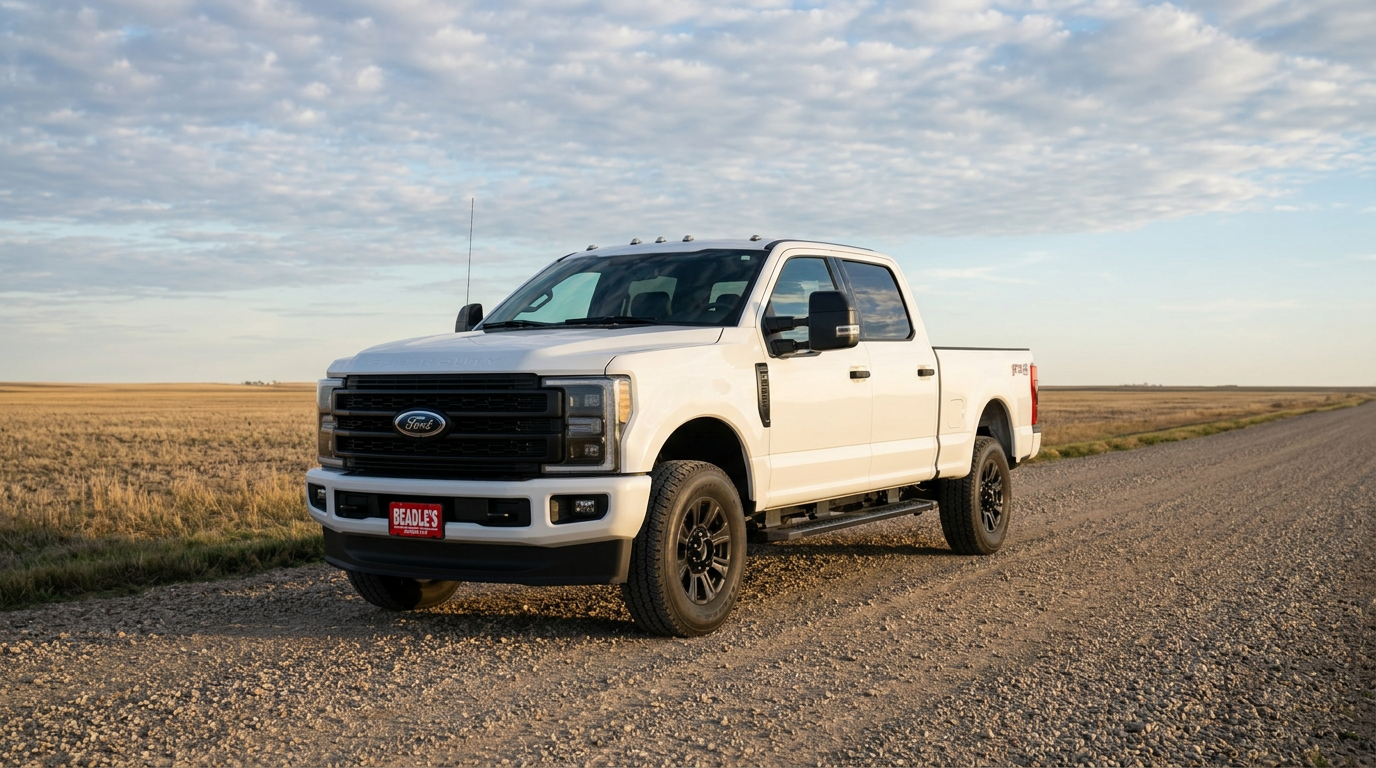
Ford F-250 Super Duty truck
The Ford F-250 Super Duty: Power, Capability, and Versatility for Work and Everyday Life

The Ford F-250 Super Duty is built for drivers who need serious towing, hauling, and long-term durability. From job sites to ranch roads, it’s a heavy-duty truck known for strong performance, confident handling, and smart technology that makes hard work easier.

In rural South Dakota and central North Dakota, truck shoppers often need more than a daily driver. Between long highway miles, winter conditions, and demanding workloads, the F-250 Super Duty is a go-to option for farming, construction, equipment hauling, and recreational towing.

Browse available new and used Ford F-250 Super Duty trucks below to compare configurations, features, and pricing in one place.


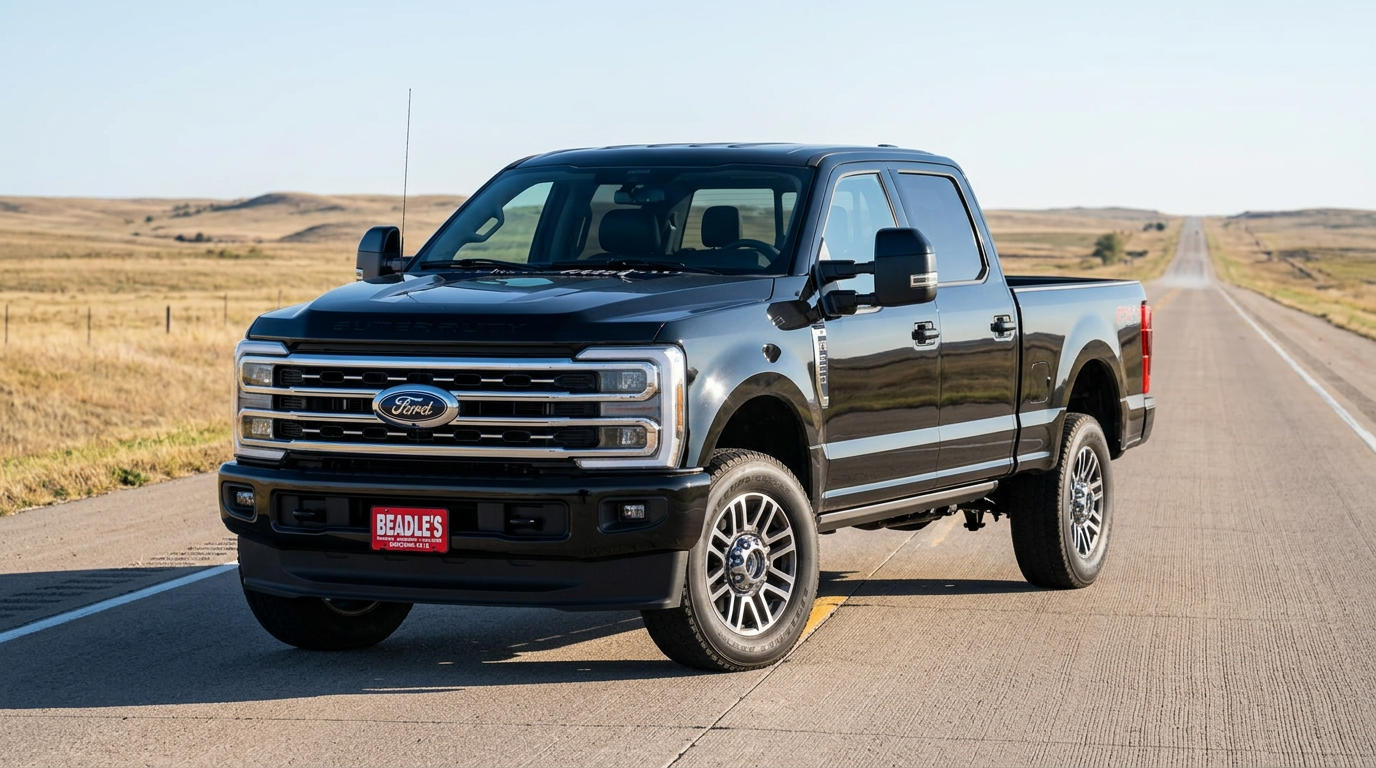
May not represent actual vehicle. (Options, colors, trim and body style may vary)

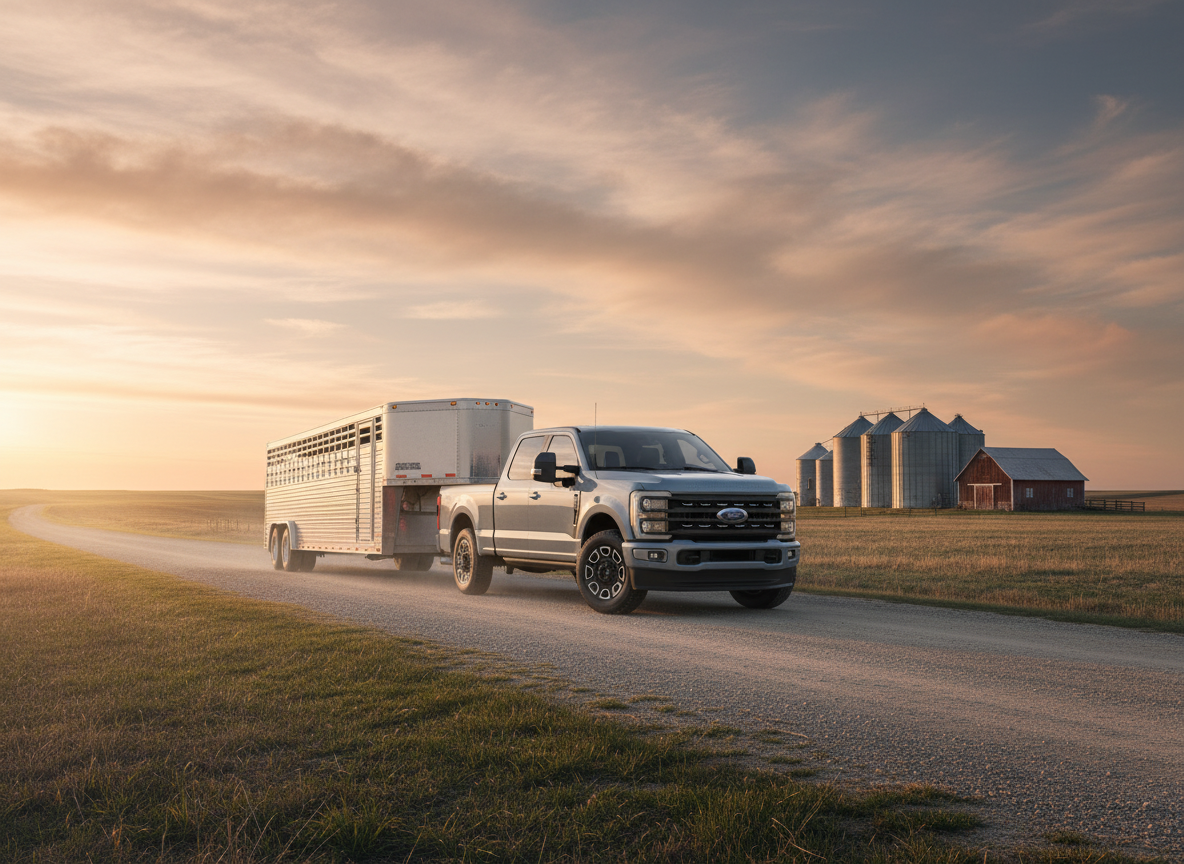
Ford F-250 Super Duty on a rural road

Performance for the Workday

The Ford F-250 Super Duty is built for drivers who need real capability—towing, hauling, and handling tough conditions without feeling “maxed out.” Whether you’re pulling a trailer, hauling materials, or driving long distances between towns, the F-250 is engineered for stability, strength, and confidence.

Capability That Doesn’t Quit

From job sites to farm roads, the F-250 Super Duty is known for durability and a work-ready foundation. With multiple configuration options, it’s easy to find the right combination of cab size, bed length, drivetrain, and towing features for your lifestyle and workload.

A Modern Interior

Heavy-duty doesn’t have to mean bare-bones. The Ford F-250 can offer modern convenience like large touchscreens, smartphone integration, available premium seating, and driver-assist features—so you can go from work to family time without switching vehicles.

Towing Confidence

Built to tow with stability-focused engineering and available towing tech that helps you stay in control on highways and gravel roads.

Work-Ready Strength

A heavy-duty foundation designed for demanding use—ideal for equipment hauling, jobsite loads, and long-term ownership.

Everyday Comfort

Available comfort and tech features make the F-250 a practical daily driver when you want one truck that does it all.

Why the Ford F-250 Super Duty Works in Rural South Dakota

In rural South Dakota and central North Dakota, trucks aren’t a luxury—they’re a tool. Between long drives, winter weather, farm work, and towing needs, the Ford F-250 Super Duty is a popular fit for drivers who want a dependable heavy-duty pickup that’s ready for real life.

Engine Options That Make Sense for Heavy-Duty Driving

The F-250 Super Duty lineup offers gas and diesel powertrain options depending on configuration. If you tow frequently, haul heavy loads, or put serious miles on your truck, choosing the right engine and drivetrain matters. Your best fit usually comes down to how often you tow, your typical trailer weight, and your day-to-day driving.

Gas vs. Diesel

Gas can be a strong all-around option; diesel often shines for frequent towing and high torque needs. We can help you match power to workload.

4x4 & Winter Use

For snow, wind, and gravel travel, many shoppers prefer 4x4 and towing/safety tech that supports stability and traction.

Cab & Bed Fit

Crew cab for family and work crews, long bed for payload and equipment—choose the configuration that supports your day.

What’s the best Ford F-250 setup for towing a camper, livestock trailer, or equipment trailer?
For frequent towing, most shoppers focus on engine choice (gas vs. diesel), drivetrain (often 4x4 for rural roads), and towing support features like trailer brake control and towing mirrors. The “best” setup depends on your typical trailer weight, how often you tow, and whether you tow long-distance or mostly back roads.
Should I get a diesel or gas Ford F-250 for farm and work use?
A good rule: if you tow heavy and tow often, diesel is usually worth considering because of high torque and towing performance. If you do mixed driving, occasional towing, or want simpler ownership and lower upfront cost, gas can be a strong all-around option. Your best fit comes down to workload, miles per year, and how long you plan to keep the truck.
Is an F-250 too much truck for daily driving?
Not necessarily. Many people daily-drive an F-250 because they want one truck that can handle work, towing, and winter roads. The main considerations are ride size, parking, and fuel use. If you regularly haul or tow—even a few times a month—an F-250 can make day-to-day life easier because you’re not pushing your truck to the limit.
Do I really need 4x4 on a Ford F-250 in South Dakota?
In rural SD/ND, many buyers prefer 4x4 for winter driving, gravel roads, and muddy lots—especially if they tow or drive outside town. If you mainly stay on plowed highways, 2WD can work, but 4x4 adds confidence and resale appeal for this region.
What’s the difference between an F-250 and an F-150 for rural drivers?
The F-250 Super Duty is built for heavier work with a stronger frame, heavier-duty suspension, and higher towing and payload capability. The F-150 is often easier as a pure daily driver. If you tow heavy, haul frequently, or want long-term durability under tough use, the F-250 is usually the better tool.
What cab and bed should I choose on an F-250?
Crew cab is popular for families and crews because it offers the most back-seat space. A long bed is often chosen for payload, tools, and farm use, while a shorter bed can be easier to maneuver. The right answer depends on whether your priority is passengers, cargo, towing stability, or everyday usability.
Is it better to buy a used Ford F-250 or go new?
New is great if you want the latest tech and warranty coverage. Used can be a strong value if you want heavy-duty capability at a lower investment. For used trucks, smart shoppers compare maintenance history, miles, towing use, and overall condition—because how a truck was used matters as much as the odometer.
What should I look for when buying a used F-250 that has been used for towing?
Look for signs of responsible ownership: consistent service records, smooth shifting, even tire wear, and a clean hitch/receiver area. It’s also helpful to confirm the truck’s towing equipment (brake controller, hitch setup) matches your trailer needs. We can help you compare options and avoid buying more truck than you need—or not enough truck for the job.

Cookie Consent: By continuing to use this site you agree to our use of cookies.

Accept Learn More