
2026 Ford F-350 Engine Comparison
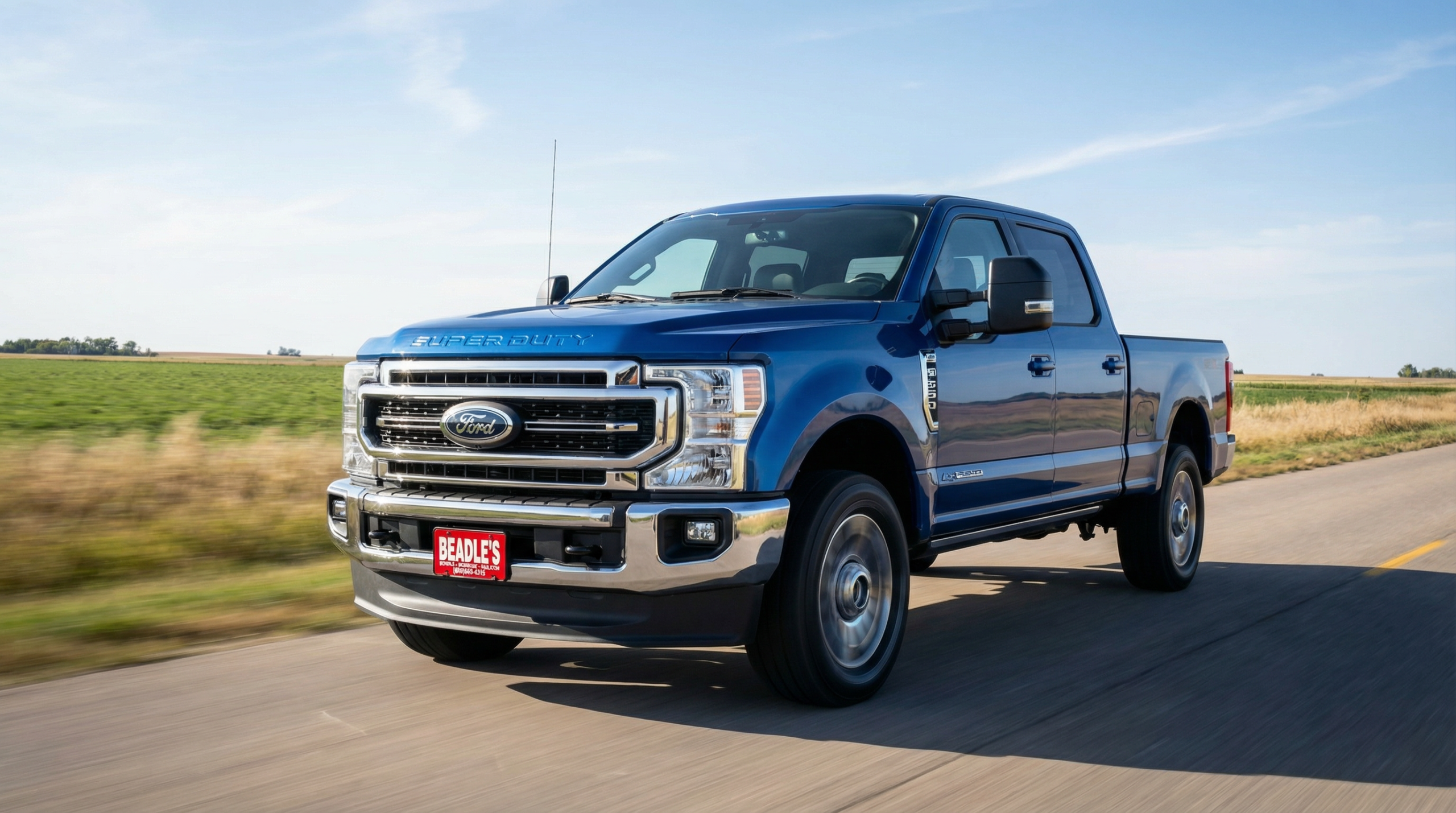
The “best” engine on a 2026 Ford F-350 Super Duty is the one that matches how you actually use the truck. If you tow heavy frequently, drive long distances, or want a more effortless feel under load, your priorities will look different than someone doing mixed driving with occasional towing.
This guide focuses on the practical differences between gas and diesel choices—how they tend to feel when towing, what ownership considerations matter beyond fuel, and how to make the decision based on workload in South Dakota and North Dakota.
Gas vs. diesel: what changes in real use?
Gas and diesel can both be strong options—just for different patterns. Gas is often chosen for mixed driving and straightforward ownership. Diesel is commonly prioritized when towing is frequent and heavier, and when buyers want a torque-forward feel that stays composed under load.
Because engine availability can vary by trim and build, it helps to compare engine options alongside trims and equipment packages. That decision framework is covered in our 2026 Ford F-350 packages & trims guide.
Which engine feels best for towing?
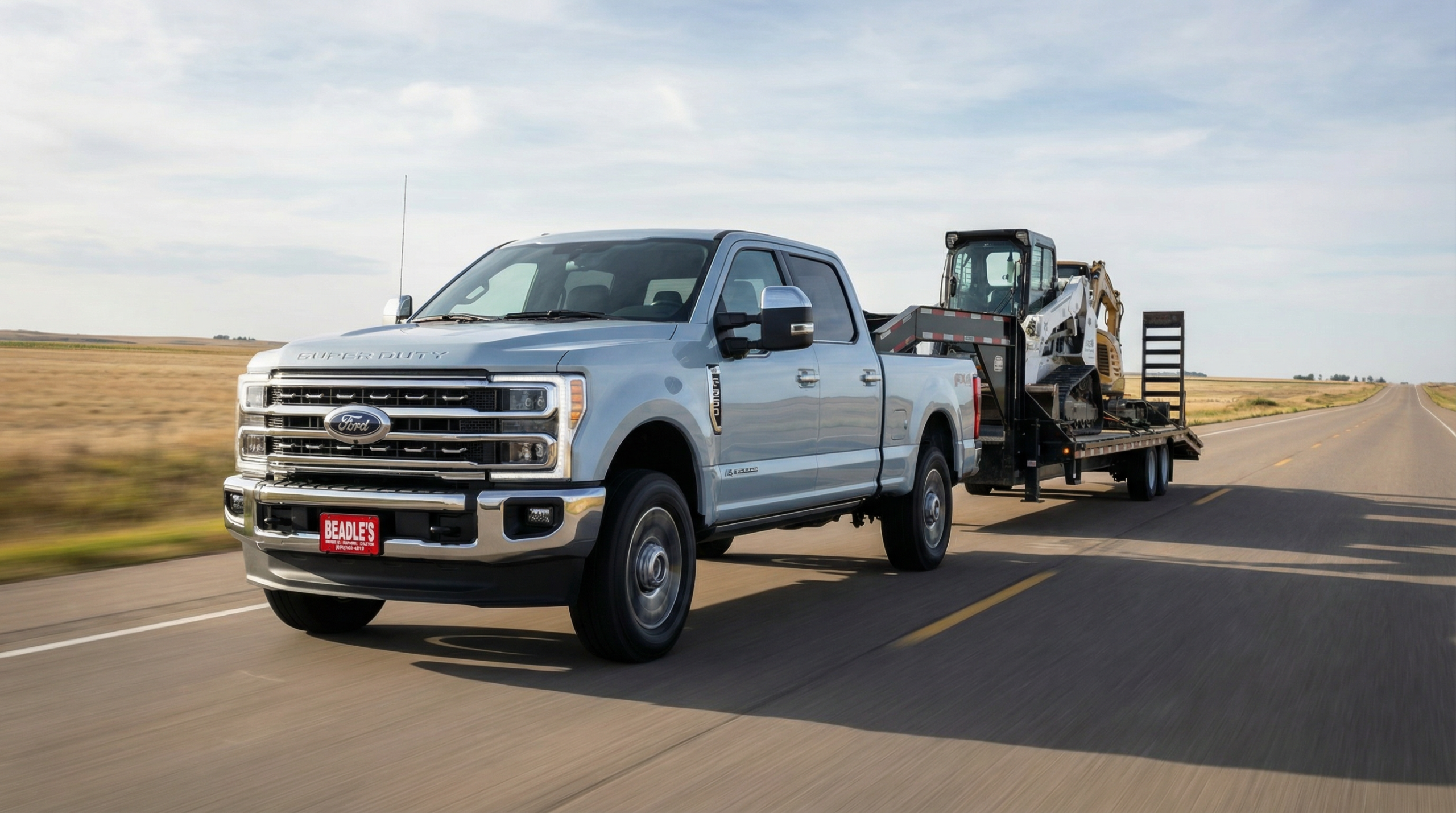
For many heavy-duty buyers, “best for towing” means the setup that feels stable and unstrained on grades, in wind, and during long highway runs. That’s one reason diesel is a common pick for frequent towing at higher weights. If your towing is occasional and your driving is mixed, gas can be a smart, capable choice.
If your decision starts with trailer type and towing configuration, it’s worth reading this alongside our 2026 Ford F-350 towing guide.
Ownership considerations (beyond fuel)

- Upfront cost: diesel configurations often carry a higher purchase price.
- Use pattern: frequent heavy towing can justify diesel; mixed driving can favor gas.
- Long-term plans: how long you keep the truck can change the value equation.
- Work reality: if you tow in wind, winter, or long distances, “effortless under load” can matter more than mileage.
Quick Overview
| Gas best for | Mixed driving, occasional towing, straightforward ownership |
| Diesel best for | Frequent heavy towing, long pulls, torque-forward towing feel |
| Best next step | Compare engine choices on real builds and confirm equipment availability |
How to match an engine to your workload
- Identify your heaviest trailer and how often you tow it.
- Decide whether you prioritize “effortless under load” on grades and in wind.
- Factor in annual miles and how long you keep trucks.
- Compare real builds—engine choice can affect equipment, packages, and availability.
Key Takeaways
- Gas can be a strong all-around choice for mixed use and occasional towing.
- Diesel is often chosen for frequent heavy towing and a calmer feel under load.
- Ownership fit depends on workload pattern, not just a spec sheet.
- Confirm availability on real builds—engine choice can affect equipment and package options.
FAQ
Is diesel always the best choice for an F-350?
Does engine choice affect towing features and packages?
Conclusion
In my experience, engine decisions are easiest when you stop thinking in headlines and start thinking in workload. When the engine matches how often—and how heavy—you tow, the truck feels more confident to drive and simpler to live with over time.
About the Author: Lexy Tabbert works with heavy-duty truck buyers across South Dakota and North Dakota who rely on their Super Duty trucks for towing, hauling, and long-term ownership. Her guidance focuses on configuration-first decisions—matching powertrain and equipment to real-world use rather than spec-sheet shopping.
Connect with us

