
2026 Ford F-350 Towing Guide
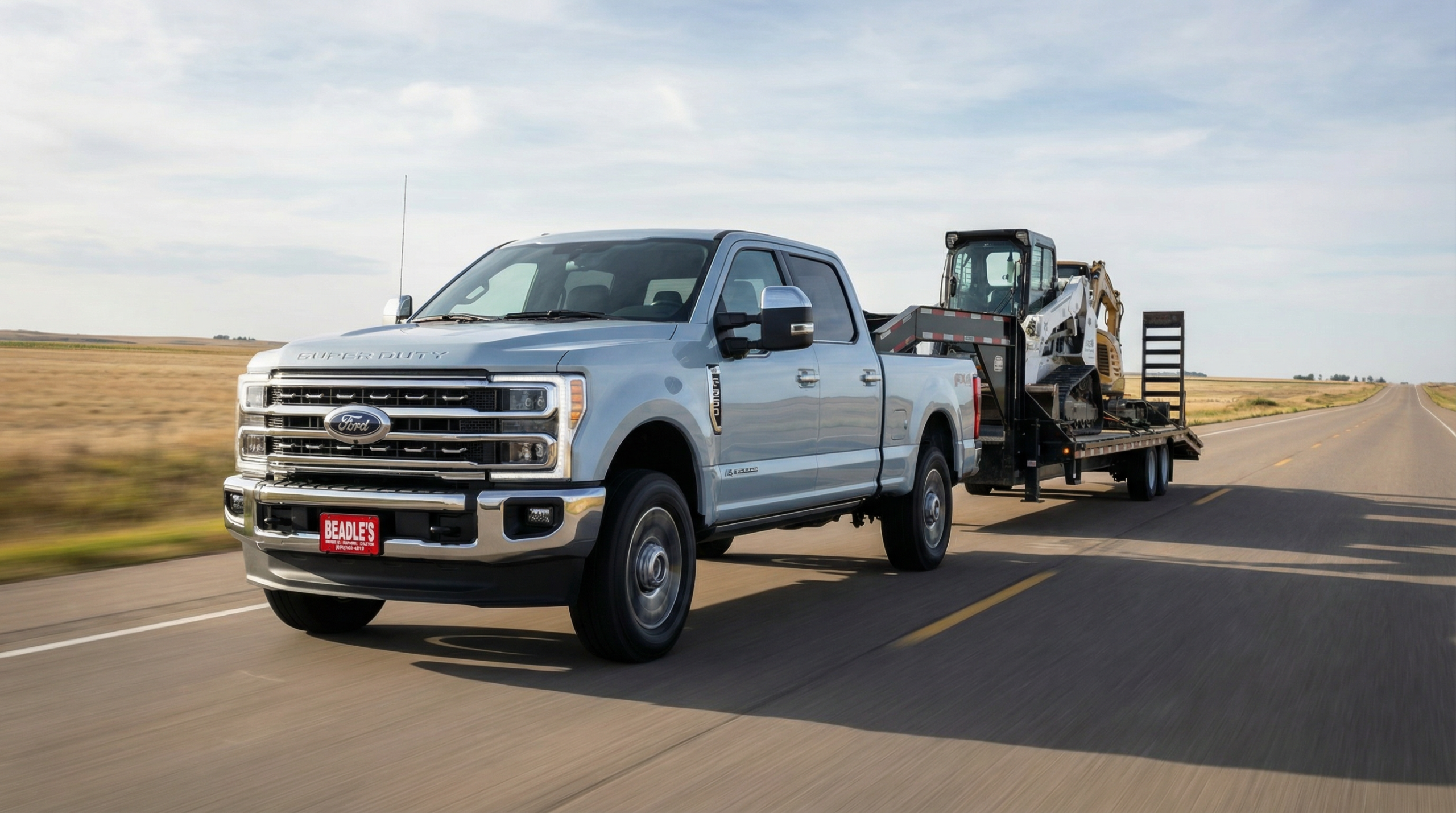
The 2026 Ford F-350 Super Duty is built for drivers who tow heavy on purpose—fifth-wheels, goosenecks, livestock, equipment, and loads that don’t leave much room for guesswork. If your towing days include long highway miles, wind, grades, or soft gravel lots, the right F-350 configuration can feel noticeably more planted and controlled.
This guide focuses on the decisions that actually change towing confidence: SRW vs. DRW, hitch type, engine fit, and the towing visibility features that matter once the trailer is hooked up. Because capability depends on how the truck is built, it’s smart to compare your choices within the full lineup before finalizing a plan.
What actually changes F-350 towing capability?
Towing ratings are not a single “one-size” number. On an F-350, the biggest changes usually come from how the truck is configured—cab and bed choice, drivetrain, axle ratio, wheel/tire setup, and whether you’re looking at single rear wheel (SRW) or dual rear wheel (DRW). The right approach is to start with your real loaded trailer weight and hitch type, then choose the truck setup that gives you stability and margin—not a close call.
SRW vs. DRW: which one fits your trailer?
This is one of the most important F-350 decisions. SRW can be an excellent solution for heavy towing when you still want easier day-to-day maneuverability. DRW is often chosen when the trailer and payload demands call for maximum stability—especially for larger fifth-wheels and goosenecks where rear stability becomes the difference between “fine” and “confident.”
If you’re unsure which direction fits your towing reality, comparing SRW and DRW configurations side-by-side in the 2026 Ford F-350 Super Duty overview is the fastest way to see what changes with each build.
Gooseneck vs. fifth-wheel vs. bumper pull: what’s the difference?
- Bumper pull: Common for utility trailers and many travel trailers. Proper weight distribution and brake control matter a lot as loads increase.
- Fifth-wheel: Popular for larger RVs. The connection point over the rear axle can create a more stable feel, especially on the highway.
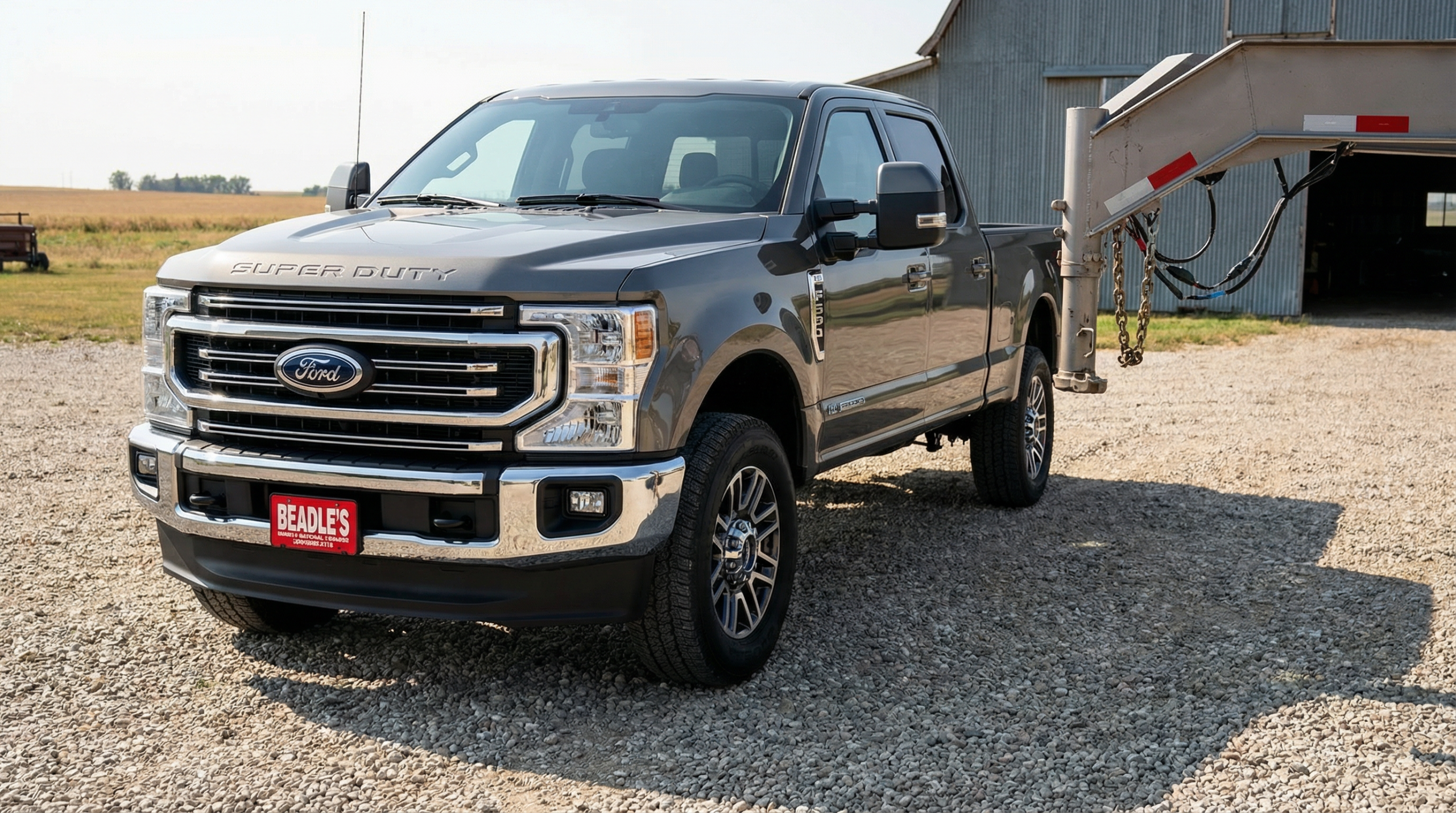
- Gooseneck: Often used for livestock and equipment. Known for a controlled towing feel and tight maneuvering characteristics.
Choosing an engine based on how you tow
For many buyers, this decision comes down to towing frequency and how heavy you pull. Gas power can be a strong fit for mixed driving and periodic towing. Diesel is often prioritized when towing is frequent, loads are heavier, and you want that torque-forward feel on long pulls and in changing conditions.
If you want help matching an engine to your use pattern, this is covered in more detail in our 2026 Ford F-350 engine comparison guide.
Towing tech that’s worth prioritizing
- Trailer brake control: especially important as trailer weight increases.
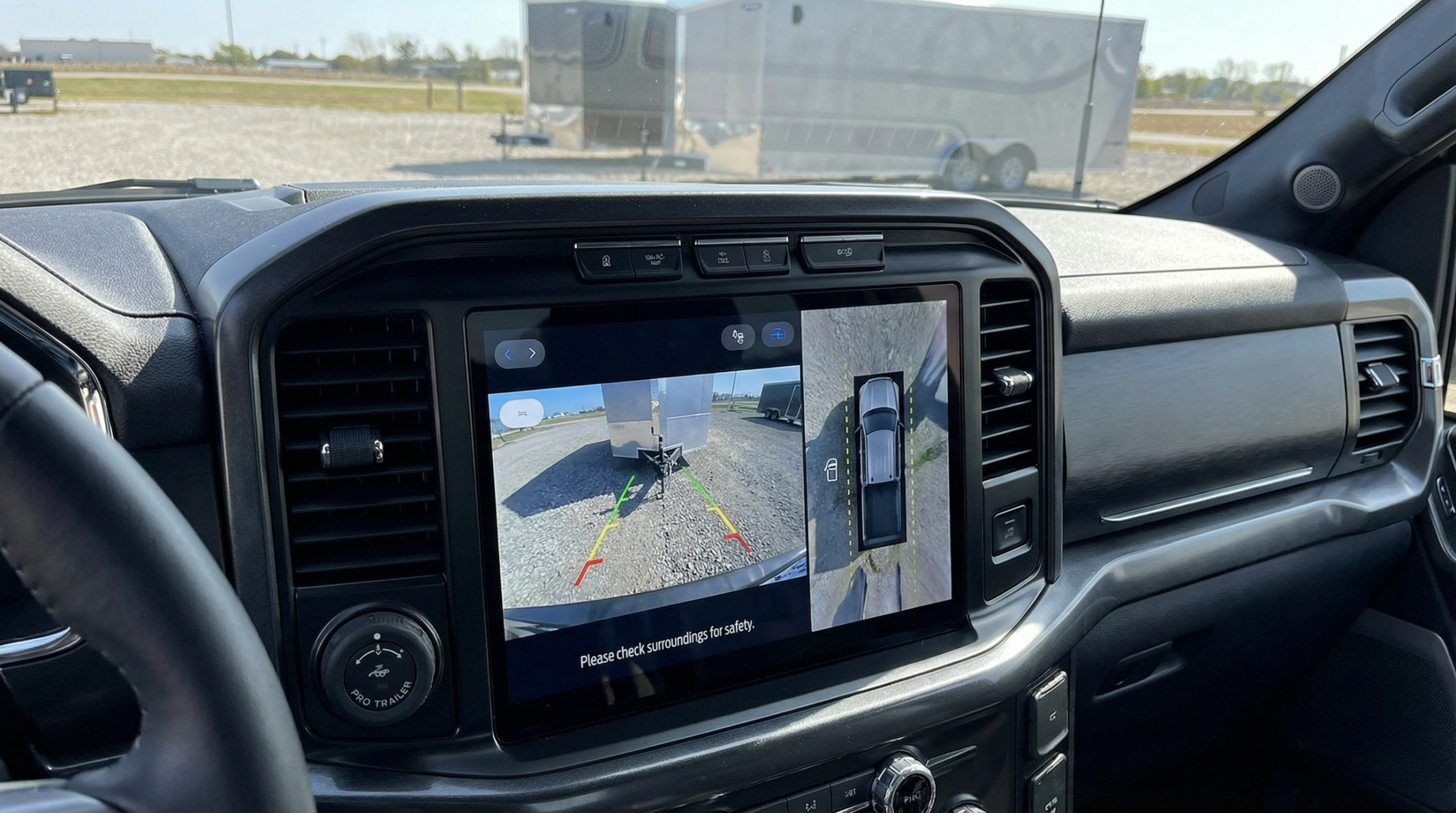
- Camera visibility: helps with hitch alignment, backing, and tight maneuvers.
- Trailer-aware monitoring: when equipped, can help reduce stress during lane changes and long highway runs.
- Tow mirrors and lighting: visibility is a safety feature, not a convenience feature.
Quick Overview
| Best for | Frequent towing, heavier trailers, and buyers who want more stability margin |
| Biggest decision points | SRW vs. DRW, hitch type, engine fit, and towing visibility equipment |
| Smart shopping move | Build around your real trailer weight and route conditions—not just a headline rating |
How to choose an F-350 towing setup
- Start with the trailer: type (bumper pull, fifth-wheel, gooseneck) and realistic loaded weight.
- Decide SRW vs. DRW: choose stability margin based on how heavy you tow and how you drive.
- Pick an engine for your towing frequency: occasional vs. frequent heavy pulling.
- Prioritize visibility and control: brake control, camera support, and towing mirrors.
- Confirm the exact build: ratings and equipment vary with configuration.
Key Takeaways
- F-350 towing confidence is driven by configuration, not a single number.
- SRW fits many heavy-duty needs; DRW is often the stability choice for larger fifth-wheels and goosenecks.
- Hitch type changes how the load behaves and how the truck should be equipped.
- Choose an engine based on towing frequency and how heavy you pull.
- Visibility features can matter as much as horsepower when towing in real conditions.
FAQ
When should I choose an F-350 instead of an F-250 for towing?
Is DRW worth it for fifth-wheel or gooseneck towing?
What should I bring when shopping for an F-350 towing setup?
Does an F-350 ride differently when it’s unloaded?
Want to compare real towing-ready builds? Start with the 2026 Ford F-350 Super Duty overview and then look at current F-350 inventory to see how specific trucks are equipped.
Conclusion
In my experience, the best towing setups are the ones built with margin—where the truck feels composed, the trailer feels predictable, and you’re not constantly “managing” the load. The F-350 shines when buyers choose SRW vs. DRW intentionally, match the hitch to the job, and prioritize visibility and control features that pay off every time they tow.
About the Author: Lexy Tabbert works directly with truck buyers across South Dakota and North Dakota who depend on their vehicles for towing, hauling, farming, construction, and long-term ownership. Her experience guiding customers through real-world decisions — from SRW vs. DRW to matching trailer weight with the right Super Duty configuration — shapes the insights shared in this guide. Lexy focuses on practical, configuration-first advice so buyers can choose a truck that performs confidently not just on paper, but in the conditions they actually drive in.
Connect with us

